

Exploring the Key Differences Between Sublimation and Screen Printing
Are you looking to print custom designs on your merchandise T-shirts? Do you want them to have exceptional quality? If yes, you’re in luck, as two leading methods can give you excellent results—sublimation and screen printing. Both techniques are popular in the printing market, but choosing between them depends on factors such as your budget, material, and desired outcome.
If you’re unsure about the differences between screen printing vs sublimation, don’t worry—this guide will clear up any confusion. We’ll dive into the details of each method, offering insights that will help you make an informed decision.
Exploring the Key Differences Between Sublimation and Screen Printing
Understanding Screen Printing and Sublimation
What is Screen Printing?
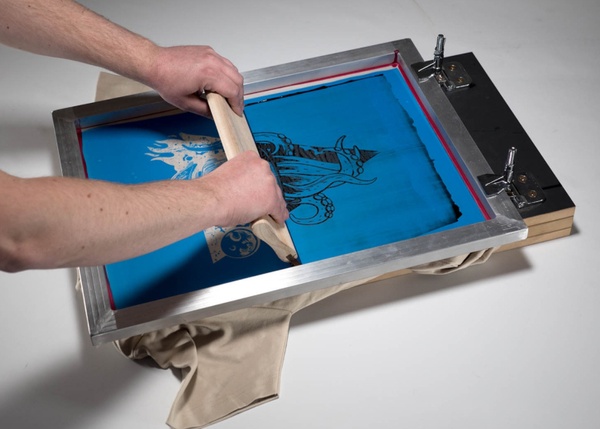
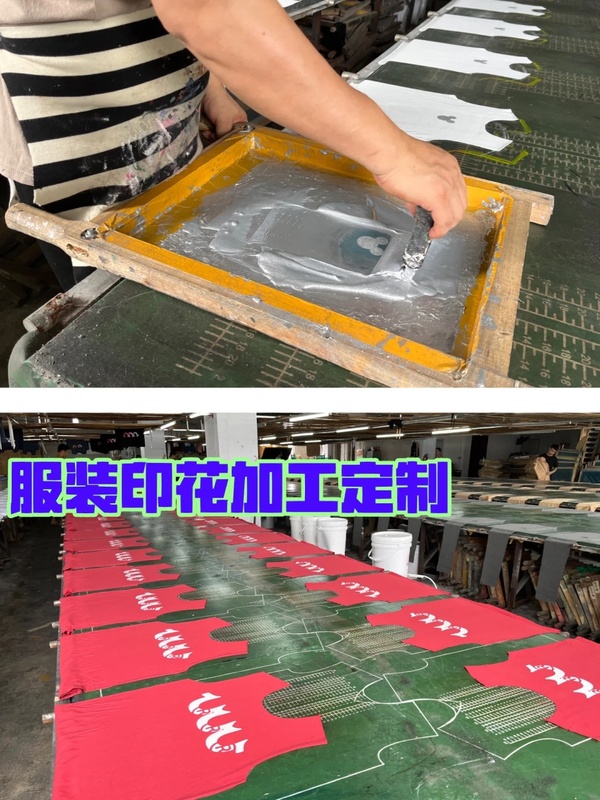
Screen printing, also known as silk screening, involves using a stencil and squeegee to push ink through a mesh screen onto fabric. This technique has been around for centuries and is still widely used by both professional printers and DIY artists.
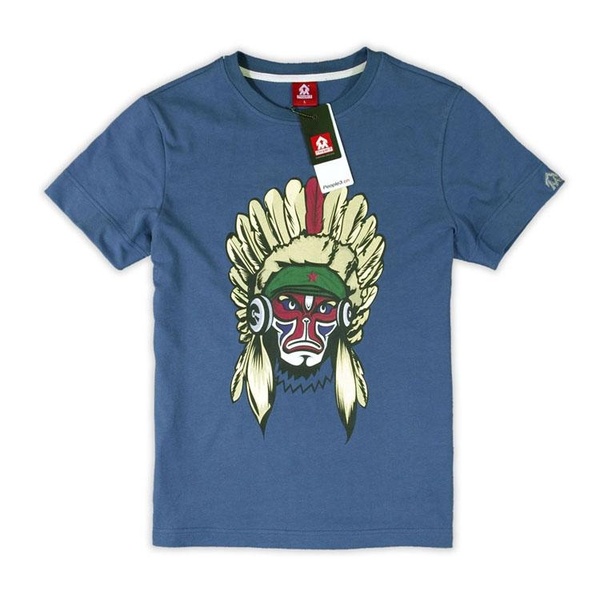
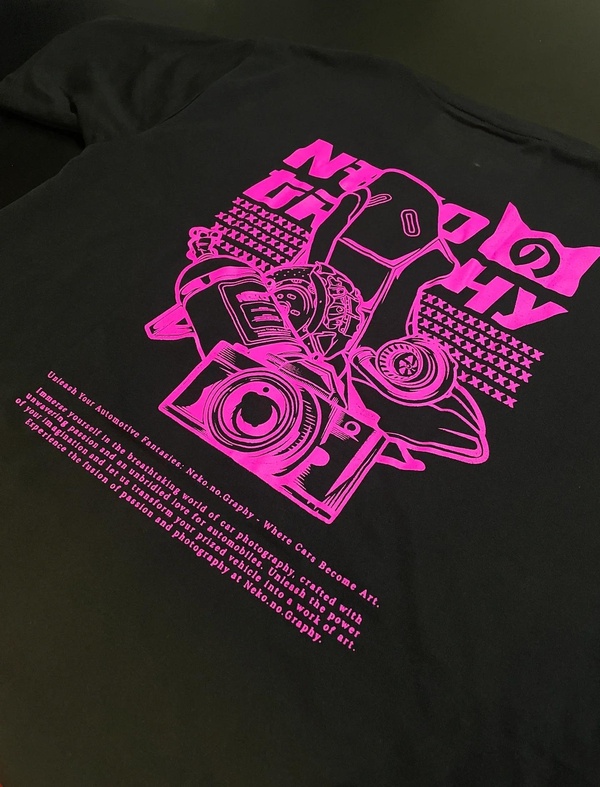
The major advantage of screen printing is that it creates thick, raised designs that give a tactile feel, making them stand out on the fabric. It’s versatile, too, as it can be done on various fabric types and colors. However, screen printing is best suited for designs with fewer colors, as each color requires a separate screen. It may not be ideal for printing complex images or photographs. Plus, it works best on flat surfaces, meaning it’s not the go-to choice for printing on items like mugs or caps.
Exploring the Key Differences Between Sublimation and Screen Printing
What is Sublimation?
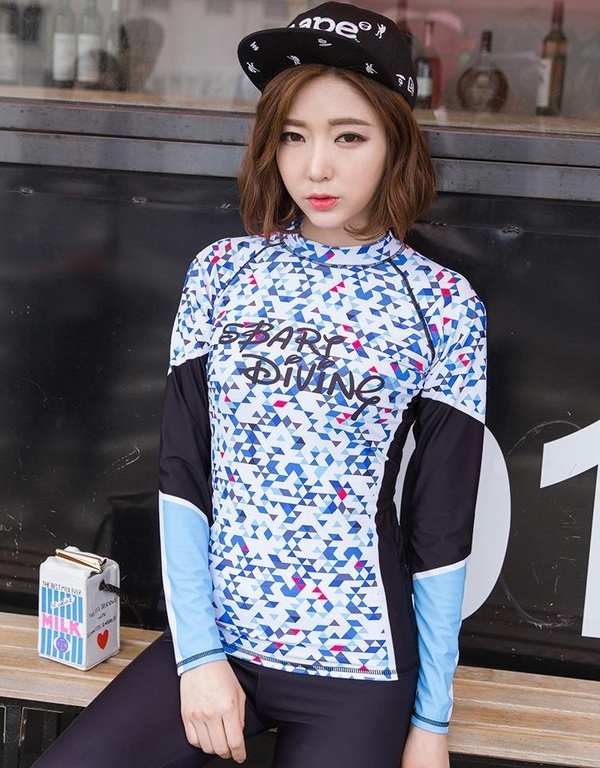
Sublimation printing uses heat and pressure to bond dye directly with synthetic fibers in the fabric. Unlike other methods, sublimation allows the ink to become a gas and infiltrate the fabric fibers, resulting in vibrant, durable designs that won’t crack or peel over time.
The process works particularly well on polyester fabrics, making it ideal for T-shirt sublimation printing. Since the dye bonds at a molecular level with the fabric, it results in high-quality, long-lasting prints. However, sublimation only works on light-colored, synthetic materials, particularly polyester, and is not suitable for dark fabrics.
Exploring the Key Differences Between Sublimation and Screen Printing
Comparing Screen Printing vs Sublimation
Durability and Strength
When it comes to durability, sublimation prints are superior. Since the dye is chemically bonded with the fibers, the design won’t fade, peel, or crack. In contrast, screen prints can last long but may eventually show signs of wear, especially the raised inks, which can start to peel after multiple washes.
That said, screen printing still holds up for a significant amount of time, and some specialized inks, like plastisol ink, enhance the longevity of the print.
Quality of Prints
Both screen printing and sublimation produce high-quality prints, but they differ in style. Sublimation provides vivid, bright colors, ideal for intricate, multi-colored designs or full-color photographs. Screen printing, on the other hand, is perfect for bold, simple designs with fewer colors, as it gives a raised, textured effect that can be very striking.
Exploring the Key Differences Between Sublimation and Screen Printing
Complexity of Designs
Sublimation printing is much easier when it comes to intricate designs. As digital images are directly printed onto transfer paper, there’s no need to create stencils. This makes it an excellent choice for detailed, multi-colored designs.
In comparison, screen printing can be complicated because each color requires a separate screen, and creating detailed stencils can be time-consuming and require a high level of skill.
Consistency
Both methods are reliable for reproducing designs consistently. However, screen printing tends to offer better consistency since the screens can be reused many times for repeated prints. Sublimation, while consistent in terms of design quality, can be affected by errors like ghosting if the transfer paper is misaligned or if there are lint particles on the fabric.
Exploring the Key Differences Between Sublimation and Screen Printing
Cost Considerations
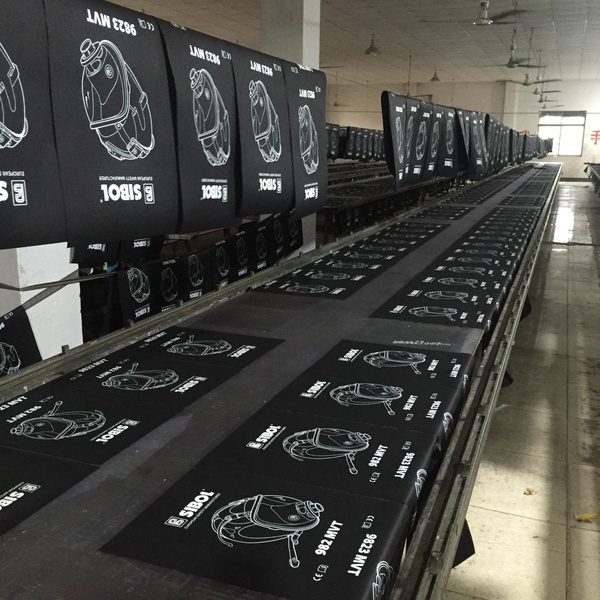
The cost of screen printing can vary depending on the design’s complexity. For bulk orders, it tends to be more cost-effective because the screens can be reused. However, it requires more setup time and materials, making smaller runs relatively expensive.
Sublimation, on the other hand, has higher initial costs due to the need for specialized equipment and transfer paper. It also requires a new transfer sheet for each garment, which can add up when printing multiple T-shirts with the same design. In the case of mass production, screen printing is generally cheaper.
Exploring the Key Differences Between Sublimation and Screen Printing
Which Method Works Best with Different Fabrics?
Sublimation works best with polyester fabrics, especially those that are white or light-colored. It won’t work well on cotton or dark fabrics, as the dye won’t bond properly.
On the other hand, screen printing is more versatile and can be done on a wide variety of fabrics, including cotton, polyester, and even blends. It’s often the method of choice for designs on cotton T-shirts or mixed-fabric garments.
Conclusion: Which is Better – Sublimation or Screen Printing?
Ultimately, the choice between sublimation vs screen printing depends on your project’s needs. If you need vibrant, full-color designs that will last a long time and you’re using synthetic fabrics, sublimation is the way to go.
However, if you’re looking for a more versatile method that can handle multiple fabrics and is cost-effective for bulk orders, screen printing might be your best option.
We are a professional global clothing customization company with over 25 years of experience in clothing customization. Many of our customized garments utilize processes such as sublimation, heat transfer, hot stamping, screen printing, and beading. Please contact us if you have any needs.