

Fashioning a Career: A Guide on How to Become a Clothing Designer
How to Become a Clothing Designer
“Fashion is the armor to survive the reality of everyday life,” said Bill Cunningham, and he couldn’t have been more right. Clothing design isn’t just about stitching garments together; it’s about expressing individuality and telling a compelling story. If you’ve ever dreamt of creating your own unique style, you’re in the right place!
This guide breaks down the exciting journey to becoming a fashion designer. From the basics of design to practical steps for getting started, we’ll help turn your fashion dreams into a reality. So grab your sketchbook, and let’s dive into the world of creativity!
Fashioning a Career: A Guide on How to Become a Clothing Designer
What Does a Clothing Designer Do?
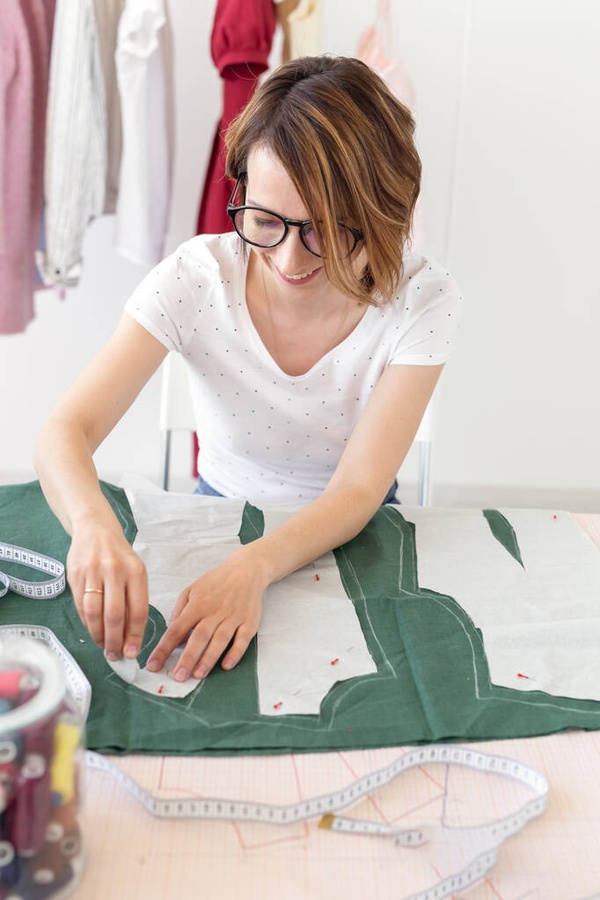
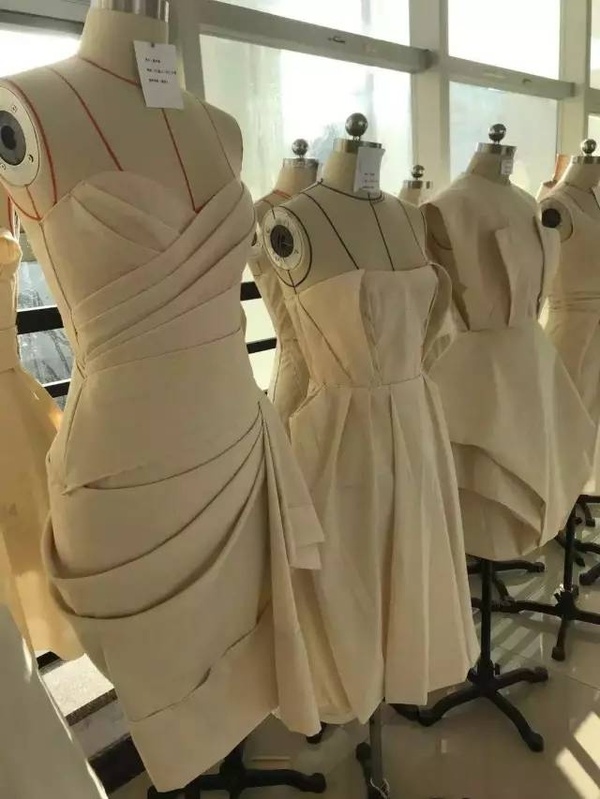
Before we jump into the “how,” let’s first understand what a clothing designer actually does. A clothing designer is the creative force behind the clothes we wear. They conceive, design, and oversee the production of garments, ensuring each piece is not only beautiful but functional.
The role combines art and science. Designers select fabrics, create patterns, and stay attuned to current trends and consumer demands. Their creativity brings garments to life, while their technical knowledge ensures the clothes are comfortable, durable, and wearable.
Fashioning a Career: A Guide on How to Become a Clothing Designer
Steps to Becoming a Fashion Designer
Becoming a fashion designer is a journey that takes dedication and time. While it can take years to break into the industry, these steps will help you get started on the right foot.
1. Self-Assessment and Preparation
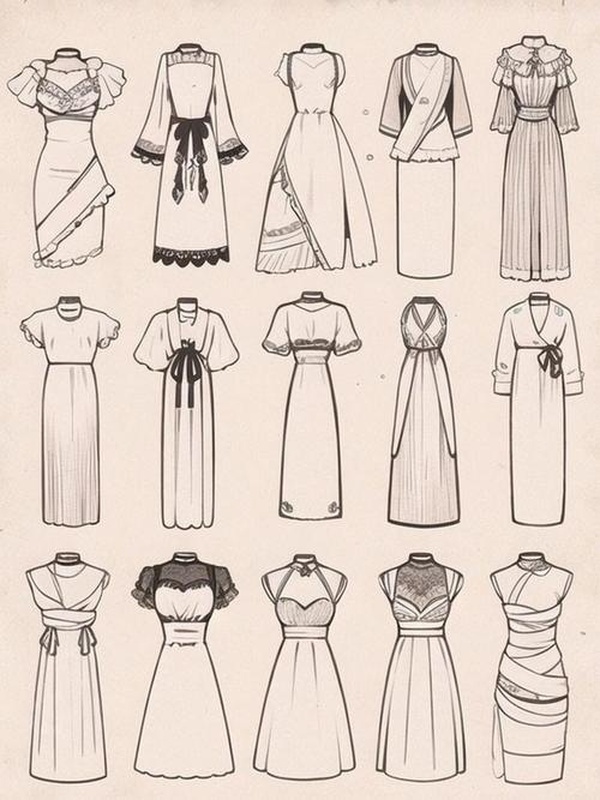
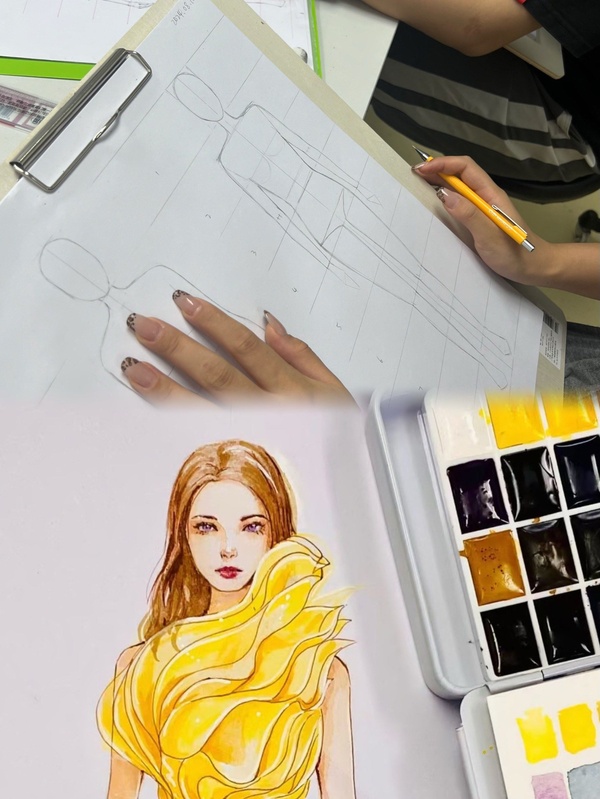
The first step in learning fashion design is to hone your creativity and technical skills. Practice sketching, learn about embroidery, and experiment with different fabrics. The more you refine your creativity, the better your designs will become.
2. Education and Training
A formal education in fashion design is crucial for success in this competitive field. Aspiring designers can pursue:
Associate or bachelor’s degrees in fashion design, where you’ll learn about computer-aided design, fashion history, textiles, figure drawing, and pattern making.
Fashion marketing programs, which teach students how to design merchandise, understand consumer behavior, and promote retail sales.
Online courses, workshops, and tutorials can also provide valuable knowledge and hands-on experience.
Fashioning a Career: A Guide on How to Become a Clothing Designer
3. Required Qualifications to Be a Clothes Designer
High School Preparations
Start building your foundation in high school. Learn home economics for basic sewing skills, use drawing to understand color patterns, and master visual design software like Photoshop or CorelDraw. Reading art and fashion design blogs will also expand your knowledge.
Bachelor’s Degree in Fashion Design
A bachelor’s degree in fashion design will provide a thorough understanding of the industry. Top design schools include:
Fashion Institute of Technology, New York
Parsons School of Design, New York
Savannah College of Art and Design, Savannah
Master’s Degree in Fashion
For a deeper understanding of fashion, consider a master’s degree in fashion design, which typically takes 1-3 years to complete.
4. Building a Strong Portfolio
Your portfolio is your calling card in the fashion world. As a clothing designer, you need a collection that showcases your skills and creativity. Include work from your degree program, and treat every project as if it will be presented to a future employer or client.
5. Gaining Practical Experience
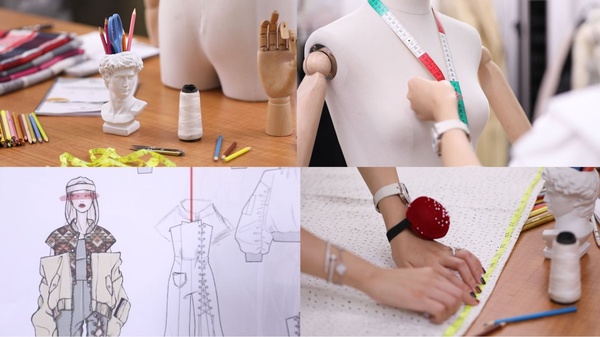
Hands-on experience is essential to becoming a successful fashion designer. Internships with fashion houses, clothing companies, or personal stylists are invaluable for learning the ropes. Volunteering at a fashion house or assisting a seasoned designer also helps you build experience.
Fashioning a Career: A Guide on How to Become a Clothing Designer
6. Networking in the Fashion Industry
Building professional relationships is one of the most important steps in becoming a clothing designer. Attend fashion events, trade shows, and workshops to connect with industry professionals, fellow designers, and mentors.
Don’t underestimate the power of social media. Platforms like Instagram, Pinterest, and LinkedIn can act as your virtual portfolio, helping you showcase your work and connect with a global audience.
7. Branding and Marketing
To become a successful fashion designer, you need to master branding and marketing. Craft a unique identity for your design brand, one that reflects your distinctive style and message. Understand your target audience—who are they, what do they want, and how can your designs solve their needs?
Promote your designs through social media, fashion shows, or collaborations with influencers. Your brand identity and marketing strategies will help bridge the gap between your creative vision and the consumers who will wear your designs.
8. Overcoming Challenges
The fashion industry is competitive and fast-paced. Trends evolve quickly, and the pressure to stay relevant can be overwhelming. Flexibility is key—be prepared to adapt your designs based on market demand.
Manufacturing can also pose challenges, from cost control to quality assurance. Building strong supplier relationships and understanding the production process is essential for navigating these hurdles.
9. Career Paths and Opportunities
As a fashion designer, you have several career paths to explore:
Ready-to-wear designers create everyday garments for the mass market.
Haute couture designers specialize in bespoke, high-end garments for elite clients.
Costume designers work in the theater and film industries, creating outfits for characters.
You can also specialize in accessories, shoes, or sustainable fashion, depending on your interests.
Let your creative passion guide your career direction.
10. Continual Learning and Growth
The world of fashion is always evolving. To stay relevant, fashion designers must continually learn and adapt. Keep up with industry trends by attending workshops, reading fashion blogs, and following design podcasts.
Innovation is key to staying ahead of the curve. Regularly updating your skills and staying informed will ensure long-term success in this dynamic field.
Fashioning a Career: A Guide on How to Become a Clothing Designer
Skills Needed to Become a Successful Clothing Designer
As a clothing designer, you’ll need a mix of hard and soft skills.
Hard Skills
Design and Sewing Skills: You must be able to sketch and bring your designs to life. Sewing is also crucial for creating prototypes.
Fabric Knowledge: Understanding different fabrics and their properties will help you choose the right materials for your designs.
Technical Drawing: Creating accurate technical drawings is essential for communicating your designs to manufacturers.
Computer-Aided Design (CAD): Master CAD software to build digital designs and create tech packs for manufacturers.
Soft Skills
Creativity and Adaptability: Constantly coming up with fresh ideas and adjusting to new trends is crucial in the ever-changing world of fashion.
Attention to Detail and Problem-Solving: Precision in design and the ability to solve problems creatively are vital.
Communication: Effectively communicating your ideas to your team, manufacturers, and clients is a key skill for any designer.
Time Management: The fashion industry is fast-paced, so meeting deadlines is critical.
Business Acumen: Understanding pricing, marketing, and sales is crucial for success, especially if you plan to run your own brand.
How Much Do Fashion Designers Make?
The income of fashion designers varies. On average, a clothing designer earns about $74,410 annually, or approximately $6,200 per month. However, this figure depends on several factors, including:
Location: Designers in cities like New York and California tend to earn more.
Experience: Seasoned designers earn significantly more than entry-level professionals.
Industry: Fashion designers in the performing arts earn an average of $53,270 annually, while those in the video industry make an average of $92,850 per year.
Key Takeaways
Becoming a fashion designer requires a combination of creativity, education, and practical experience. Start by assessing your skills, obtaining the right education, building a strong portfolio, and gaining hands-on experience. Networking and marketing your brand will help you stand out in the competitive fashion industry.
Embrace your creativity, overcome challenges, and stay adaptable. The world of fashion design is yours for the taking!
As a seasoned custom clothing manufacturer, our company has many clothing designers who can tailor various types of clothing for you, such as sweatshirts, jackets, shirts, and dresses, which are what we often do. For more customization needs, please contact us.