

The Ultimate Guide To The 8 Most Common Types of Shirt Printing
Have you ever wondered how the different types of shirt printing are done? With the right technique, a simple t-shirt can be transformed into a statement piece that reflects your personality or brand. Depending on whether you need it for personal wear or professional use, you can choose from various t-shirt printing methods that best fit your needs.
Some of the most widely used t-shirt printing techniques include screen printing, direct-to-garment printing (DTG), dye-sublimation printing, heat press printing, and heat transfer vinyl (HTV). These dominate the apparel industry, while smaller-scale options like vinyl cutouts, stenciling, and heat transfers are often preferred for hobbyists or limited runs. Other alternatives, such as discharge printing, plastisol transfers, and airbrushing, also have their place in the world of custom shirts.
Your choice will largely depend on your brand’s goals, target audience, and budget. With so many different t-shirt print types, it’s important to select the option that offers the best results for your specific needs.
How To Choose the Right T-shirt Printing Method
So, what is the best way to print t-shirts? The answer depends on your requirements. Each of the types of t-shirt printing has its strengths. For example, screen printing is usually recommended for bulk orders because it delivers consistent, high-quality results at scale.
Some methods require professional-grade equipment, while others can be managed with simple craft tools. That means certain shirt printing techniques demand more initial investment, while others are affordable for small businesses or individuals. Fabric type also plays a role—cotton and polyester don’t always react the same way to printing processes.
Additionally, some t-shirt printing techniques are ideal for one-off designs, while others are cost-effective only when producing hundreds of shirts at once.
Here’s a detailed breakdown of the most common t-shirt printing methods:
1. Screen Printing
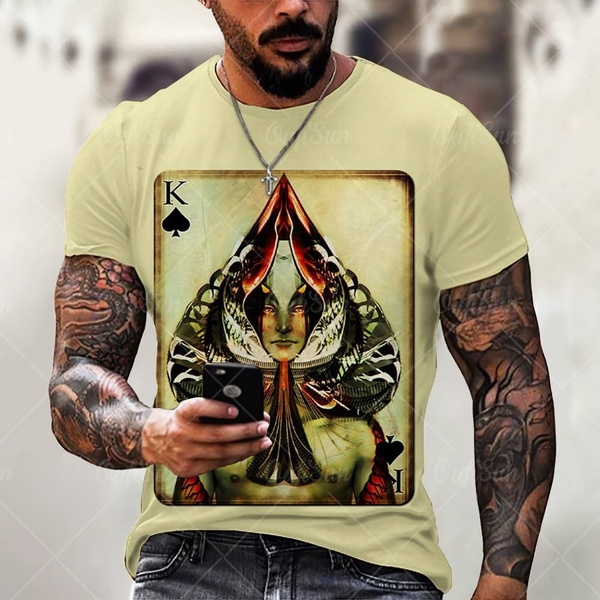
Screen printing is one of the oldest and most popular t-shirt printing methods. It involves using a stencil and mesh screen to apply ink to fabric.
Required tools: screens, presses, dryers, exposure units.
The mesh holds the stencil in place, leaving open areas for the ink to pass through and create the design. This method produces durable, high-quality prints, which is why it remains a favorite for professional apparel production.
Pros:
Works well on many fabrics
Vibrant, long-lasting colors
Excellent for large batches (4,000+ shirts per day possible)
Profitable for bulk production
Cons:
Preparation can be time-consuming
Not ideal for complex, photo-like designs
Limited efficiency for small runs
2. Dye-Sublimation Printing
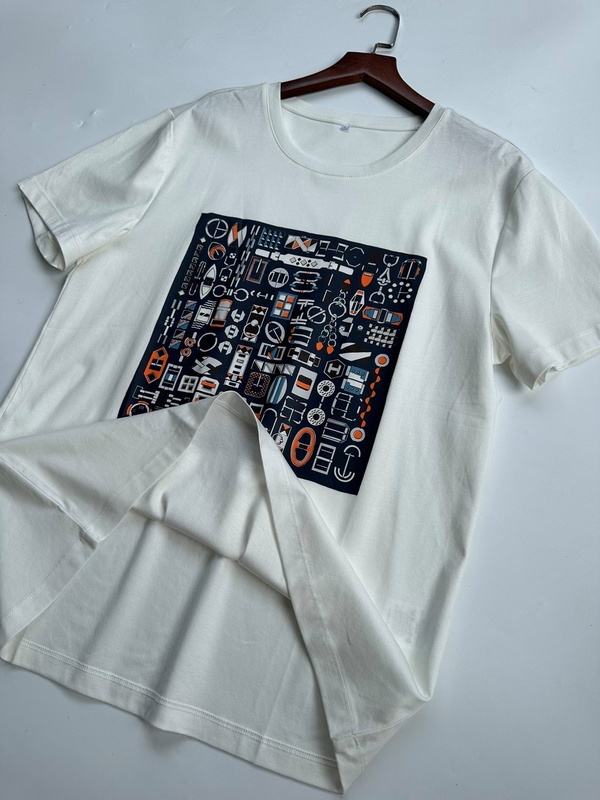
Dye sublimation uses special sublimation inks and heat to embed designs directly into polyester fabrics.
Required tools: sublimation printer, inks, release paper, heat press.
The process turns the ink into gas, which then penetrates the fibers of the fabric. Once cooled, the design becomes part of the material itself.
Pros:
Produces full-color, long-lasting prints
Won’t crack, peel, or fade
Perfect for all-over t-shirt designs
Cons:
Works only on polyester, not cotton
Limited results on dark fabrics
3. Belt Printing
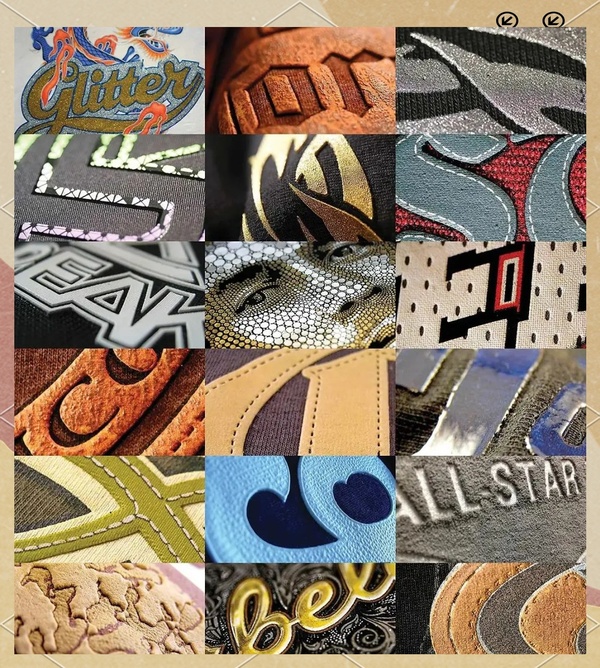
Also known as all-over t-shirt printing, belt printing uses a large belt to move shirts under print heads. Historically, this was a common industrial method, though modern flat-table machines now dominate.
This process allows designs to cover the entire garment, including seams, hems, and collars. Water-based inks are often used, giving shirts a soft, retail-quality finish.
Pros:
Can print edge-to-edge designs
Great for large, creative artwork
Cons:
Inconsistent registration of multiple colors
Slower and less precise compared to newer methods
The Ultimate Guide To The 8 Most Common Types of Shirt Printing
4. Direct-to-Garment (DTG) Printing
DTG printing works like an inkjet printer for clothes. It sprays water-based ink directly onto cotton fabric, making it excellent for detailed and colorful designs.
Required tools: DTG printer and heat press.
Designs are first created using software like Photoshop, then printed straight onto the shirt.
Pros:
Unlimited design possibilities
Eco-friendly water-based inks
Can handle gradients and fine details
No setup required, making it ideal for small orders
Cons:
High initial investment (DTG printers are expensive)
Best results only on cotton
Prints may fade faster if not properly cared for
5. Plastisol Transfer Printing
Plastisol printing (indirect screen printing) uses plastisol inks printed onto transfer sheets, which are then heat-pressed onto fabric.
Required tools: heat press and transfer sheets.
Designers can outsource sheet production, saving costs and setup time. The transfer sheets are then applied as needed.
Pros:
Durable, raised designs
Less mess than traditional screen printing
Good for small-batch printing
Cons:
If applied incorrectly, designs may peel
Less efficient for large orders
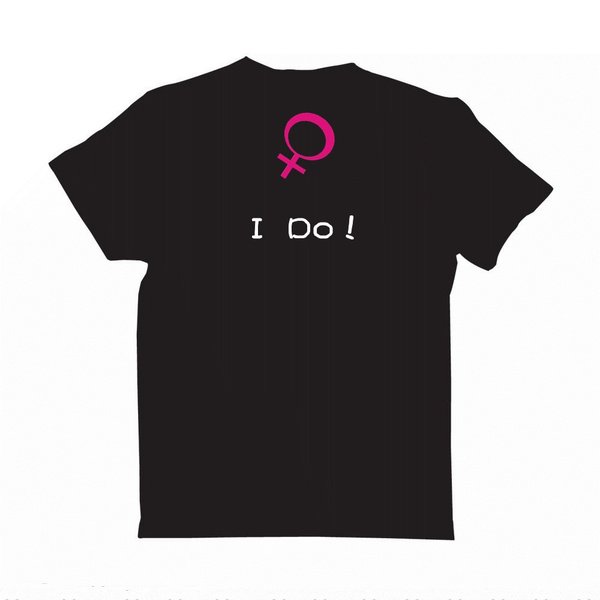
6. Heat Transfer Vinyl (HTV)
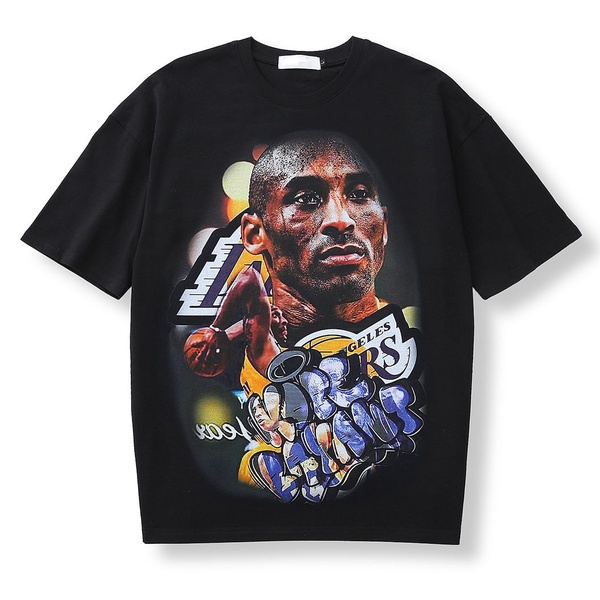
Heat transfer vinyl is widely used by both professionals and hobbyists. Special vinyl sheets are cut into shapes or lettering, then heat-pressed onto garments.
Required tools: vinyl cutter, Cricut maker, heat press.
This technique isn’t technically printing but creates vibrant, textured effects. Different finishes like glitter, metallic, and flocked vinyl are also available.
Pros:
Affordable for beginners
Extremely durable (outlasts many inks)
Great for custom, small-batch projects
Cons:
Not efficient for bulk orders
Can’t be used on heat-sensitive fabrics
The Ultimate Guide To The 8 Most Common Types of Shirt Printing
7. Heat Press Printing
Heat press printing uses transfer paper and a heat press (or iron) to apply designs to fabric.
Required tools: cover sheets, vinyl cutter, thermo tape.
It’s one of the easiest and most accessible shirt printing methods for beginners and small businesses.
Pros:
Low startup cost
Good photographic quality
Ideal for custom designs and small runs
Cons:
Not durable compared to screen printing or HTV
Poor results on dark fabrics
Can’t be used on delicate textiles
8. Discharge Printing
Discharge printing removes dye from darker shirts, leaving a lighter design behind. This creates a vintage, worn look that’s popular for unique fashion styles.
Required tools: conveyor dryer, good ventilation.
This method works by applying a bleaching agent (such as hydrosulfite) through a stencil. Unlike bleaching, it doesn’t damage the fabric and can be combined with pigments for more colors.
Pros:
Produces vintage-style shirts
Eco-friendly and soft on fabrics
Cons:
Expensive and time-consuming
Colors can be unpredictable
Final Thoughts
Now that you know the different types of t-shirt printing, you can decide which method best fits your project. Whether you’re starting a t-shirt business, producing merchandise, or simply making one-off designs, the right technique will help you achieve the best quality and durability.
From screen printing for bulk orders, to DTG printing for detailed custom graphics, or HTV for at-home projects, there’s a solution for every need. With the right investment and creativity, custom t-shirt printing can become both profitable and fun.
As a clothing customization factory with 25 years of experience, we use many kinds of clothing processes, including heat transfer clothing customization, silk screen clothing customization, DTG clothing customization and other processes. We use a lot of them. Welcome to email consultation.
The pictures are from the Internet. If there are any inappropriate pictures, please contact us to delete them.