

What is Sublimation? Importance of Sublimation Printing
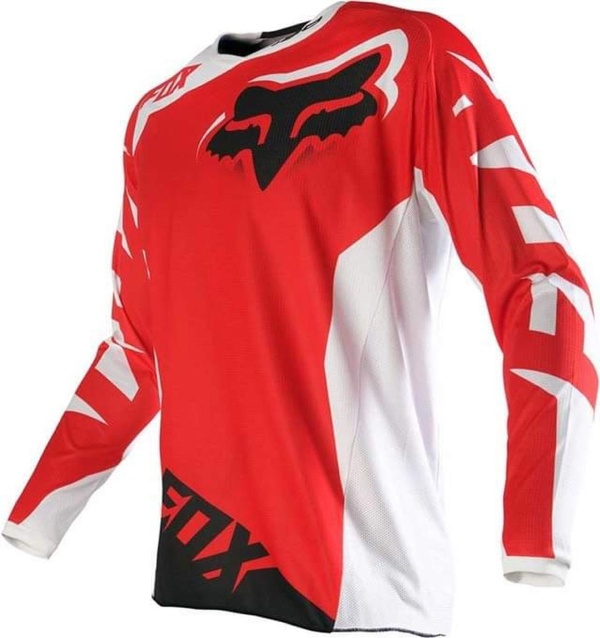
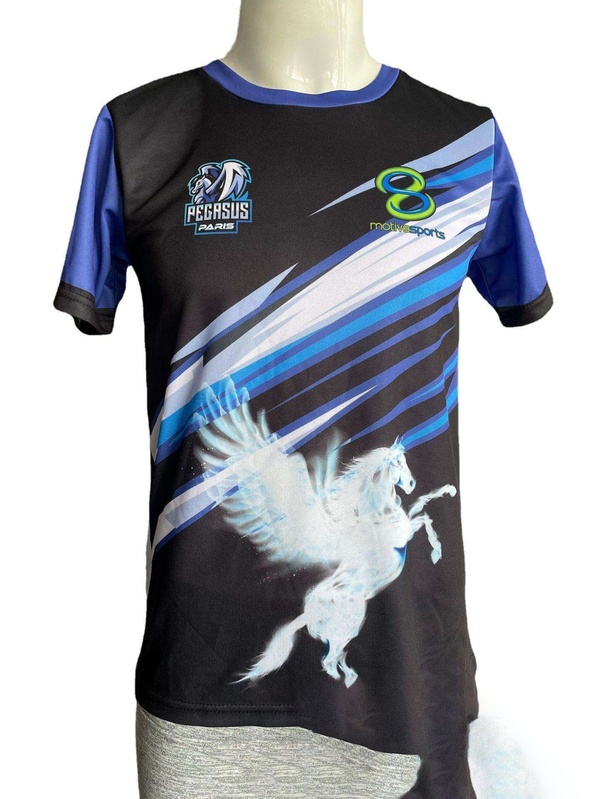
What is sublimation printing? Sublimation printing is a popular technique used to transfer your graphics onto sublimation clothing. Unlike other methods, sublimation allows the image to be printed without any resolution loss, ensuring the design remains sharp and vivid. Additionally, the inks used in sublimation printing are long-lasting, so the design stays vibrant for many years.
So, what does sublimation printing mean? Sublimation is a chemical process where a solid transforms directly into a gas without going through the liquid phase. This process is used in sublimation printing to infuse colors directly into fabric, making the design permanent.
With sublimation, any design is possible. Using a digital printer and sublimation inks, your custom designs are transferred onto special sublimation transfer paper.
Once printed, the design is applied to a garment, typically made of 100% polyester. The transfer paper is then heated to temperatures between 177°C and 200°C using a heat press. As the heat is applied, the inks turn into gas and permeate the fabric’s fibers.
The heat opens the pores of the fabric, allowing the sublimation inks to permeate. As the heat press is removed, the pores close, trapping the ink within the fibers, creating a design that won’t crack, fade, or peel.
What is Sublimation? Importance of Sublimation Printing
What Types of Printers Are Suitable for Sublimation Printing?
A sublimation printer uses water-insoluble dispersion dyes, often referred to as sublime inks. These inks require special printers due to their consistency and temperature sensitivity. It’s important to note that regular inkjet printers cannot be used for sublimation unless specifically modified, as residual inks can damage the print heads.
How does a sublimation printer work? The sublimation process begins with an image printed onto special sublimation paper. The design is then transferred to polyester or a polyester blend, using heat to fuse the inks to the fabric.
Benefits of Using Sublimation Printers
The sublimation printing process offers significant advantages. One of the key benefits is the ability to print intricate designs with high precision, making it ideal for photo motifs or complex patterns. The colors produced by sublimation are vivid and long-lasting, ensuring your designs won’t fade or peel off.
Additionally, sublimation does not simply apply ink on top of fabric; instead, it embeds the ink into the fiber. This unique process ensures that the printed designs will not feel rough or easily wear off, offering vibrant colors that are resistant to fading.
Sublimation is also more environmentally friendly compared to other methods, as it doesn’t require any binding agents or harmful solvents.
What is Sublimation? Importance of Sublimation Printing
How Does Sublimation Work?
Sublimation works by using heat to convert the ink into a gas. The ink then bonds with the fabric fibers and becomes part of the material itself, making the design permanent. This method is similar to getting a tattoo, where the ink is fused with the fabric, ensuring durability and resistance to fading.
The process results in a full-color image that won’t crack, peel, or wash away. Unlike traditional printing methods, sublimation inks bond with the fibers, offering a long-lasting design.
Why Choose Sublimation Over Other Printing Techniques?
When comparing sublimation printing to other methods like screen printing or direct-to-garment (DTG) printing, sublimation stands out due to its high-quality results and vibrant colors. For instance, screen printing requires expensive equipment and materials, while DTG printing demands a costly printer and high maintenance. On the other hand, sublimation offers a cost-effective solution with no upfront investment in equipment.
Colors & Designs Are Endless with Sublimation Printing
With sublimation, the design possibilities are virtually limitless. Whether you are looking to create simple t-shirt prints or intricate all-over designs, sublimation printing can handle it all with ease. This flexibility and precision make sublimation an ideal choice for small-batch production or customized clothing.
Difference Between DTG, Screen Printing, and Sublimation
While DTG printing applies ink to the surface of the fabric, sublimation uses heat to chemically bond the ink to the fabric fibers, resulting in a more durable design. Screen printing, on the other hand, is better suited for larger batches, but sublimation provides better color vibrancy and precision for detailed designs.
Sublimation Supplies
To get started with sublimation printing, you will need the following supplies:
A sublimation printer,
Sublimation ink,
Sublimation paper,
A heat press,
Sublimation blanks.
Once you have these supplies, you can begin producing high-quality sublimation prints on various garments.

What is Sublimation? Importance of Sublimation Printing
A Shirt’s Sublimation Process
To sublimate a shirt, follow these steps:
Create or download your design using design software like Photoshop or Procreate.
Print your design onto sublimation paper using your sublimation printer.
Preheat your heat press to the recommended temperature (typically 365°F for t-shirts).
Position your design onto the shirt, ensuring the correct orientation.
Place butcher paper to protect the design and press the shirt for 45-55 seconds with medium pressure.
Let the shirt cool before removing it from the heat press.
What Are 3 Examples of Sublimation?
Examples of sublimation in nature include dry ice, which turns directly from a solid to a gas, and solid iodine, which undergoes the same transformation.
What Is the Importance of Sublimation?
Sublimation is widely used in the textile industry for printing on synthetic fabrics like polyester, making it ideal for producing flags, banners, and custom t-shirts. The method ensures vibrant colors and durability that can withstand frequent washing and exposure to UV rays. In addition, sublimation is used in various scientific applications like forensic analysis and chemical purification.
Sublimation printing is one of the many processes we use for custom clothing. To meet the diverse needs of our customers, we offer a range of processes including hot stamping, heat transfer printing, and embroidery. We welcome custom orders.