

How Clothing Manufacturing Cost Sheets and Pricing Are Done
For a new fashion company, looking at a clothing manufacturing cost sheet for the first time can be overwhelming. The amount of foreign data and terminology may seem daunting, such as:
Multiple currencies
Different units of consumption
Fabric weights
And all you might want to know is, “Is this a fair price for my product?”
Costing is the process of estimating and determining the costs of manufacturing clothing garments, which includes:
Material costs
Labor costs
Transportation costs
General business overhead costs
For merchandisers, understanding the pricing process is critical. Costing plays a crucial role in setting the price of the item and in order acceptance.

How Much Does It Cost to Manufacture Clothes?
The clothing production cost is the total of all expenses a business incurs to make a product or deliver a service. Production costs typically include the price of materials and supplies used during manufacturing as well as labor costs.
Different Kinds of Production Costs
When manufacturing a product or providing a service, businesses must account for several types of production costs:
Variable Costs
These are costs that fluctuate with the amount of production. For instance, the more you produce, the higher these costs will be.Fixed Expenses
Unlike variable costs, fixed costs do not change with production volume. Whether production is zero or at full capacity, these costs remain constant.Total Cost
The total cost of production includes both variable and fixed costs. This encompasses all expenses related to producing a product.Marginal Cost
This indicates how much more it would cost to produce one additional unit, or how much the total cost increases with the production of one more item.Average Cost
To calculate the average cost, you divide the total production costs by the number of units made, or add together the average variable and fixed costs.
How to Find Total Manufacturing Cost
The main goal of apparel manufacturers is profitability, so accurately estimating the costs of a factory is essential for success.
Some of the main components of the cost estimation include:
Purchasing fabrics and accessories
Processing and finishing fabrics
Cutting and sewing
Packing and shipping
Transportation, overhead costs, banking fees, commissions, insurance, and more.
The merchandiser responsible for a garment typically calculates how much it will cost by considering all these factors.
How to Figure Out the Weight of a Garment for Any Size
The weight of a garment is calculated based on the middle size in an order (e.g., Medium for a size set of Small, Medium, and Large). This weight is used to determine the total weight of all items in the order.
How to Figure Out the Cost Per Kg of Fabric
When fabrics are purchased directly from the market, the cost per kilogram is straightforward. For custom orders, calculate the cost per kg by determining the total fabric cost for the order and dividing by the quantity used.
Work Out the Cost of Fabric Per Garment
The fabric cost per garment is determined by multiplying the weight of the garment by the cost of fabric per kilogram.
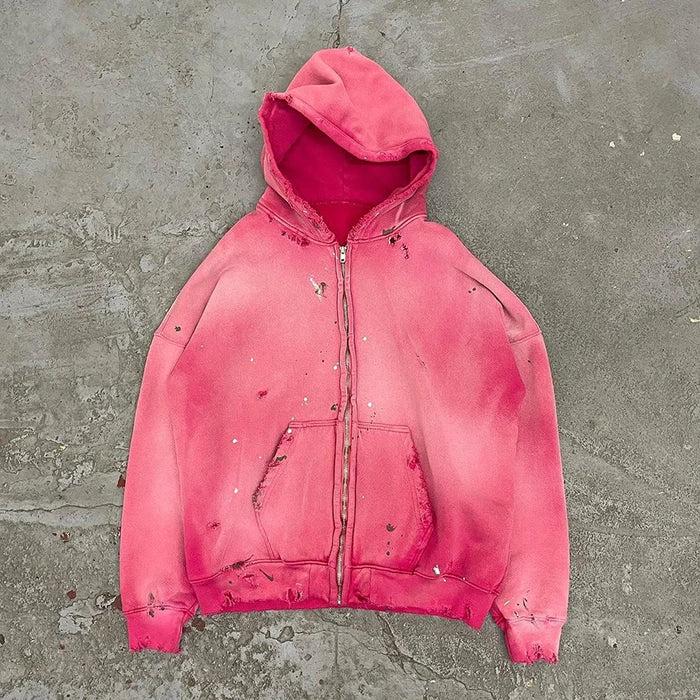
The Costing Process for Garments
The process of garment costing is one of the most important steps in the fashion business. Although this may seem complex, the basic steps to calculate the garment cost are relatively straightforward.
How Much Does It Cost to Manufacture Clothing for Profit?
The formula used in the fashion industry to estimate the cost of manufacturing for profit is:
40% COGS (Cost of Goods Sold)
20% for expenses and advertising
40% markup
This structure also involves a mix of push and pull initiatives, as well as building brand equity.
50% financing from the vendor
50% equity or debt at the banker’s cost and terms
If needed, the 40% margin can be discounted to meet cash flow needs, but this should only be a temporary solution, such as to clear excess stock at the end of the season.
How Can You Know if That Price Is Good for You?
Once you know your clothing costing, you need to compare the selling price with all additional costs (shipping, duties, storage, labeling, etc.). Only then can you evaluate if the price you were quoted is reasonable.
Key Elements in a Fashion Brand’s Costs
Here are several costs you need to track for your fashion brand:
Duty % (depending on product type)
VAT/Taxes %
Cost of shipping
Warehouse or storage fees
Labeling/packaging costs
Additional extra costs specific to your business model
How to Create a Standard Costing Sheet for Clothes
To streamline the costing process, create a standard costing sheet that all merchandisers can use. This will save time and make the entire process much more efficient. Key steps in building the sheet include:
Compare the cost sheets from different brands.
Identify both fixed and variable costs.
Set up a range plan that includes essential information.
Link your final costing sheet to the range plan to ensure consistency across production.
How to Calculate Profit Margin in Clothing Costing
Profit margin is the difference between the selling price and manufacturing costs. For example, if the cost price of an item is $10 and you want a 50% profit margin, the profit would be $5. The wholesale price would then be $15, and the retail price could be $30.
Profit margin formula:
Profit margin = total sales – (manufacturing costs + operating costs)
How Much Do Clothing Manufacturers Charge While Keeping Quality in Mind?
Typically, the cost of materials is half the total cost of the product. The direct labor cost is about 20%, and factory operating costs are 30%.
The markup applied to cover profit depends on the price elasticity of demand and should account for style, quality, and production costs.
A Few Words on Cost Effectiveness
Make sure that your entire collection hits the target margin, without being too focused on underperforming products. Items with high margins should be prioritized to balance out those that might have lower margins. It’s essential to ensure that the pricing structure is based on quality, and not just on market pressures.
We’re a custom clothing manufacturer with 25 years of experience, specializing in custom clothing for export to Europe, America, South Africa, the Middle East, and other regions. If you need custom clothing services, please contact us. Whether it’s T-shirts, shirts, jackets, coats, down jackets, pants, dresses, scarves, yoga wear, or more, if you need custom clothing costs, please contact us. Larger quantities offer better prices.
The picture comes from the Internet