

Cut and Sew – Definition, Step-by-Step Guide, and Benefits
What is Cut and Sew, and How Does It Work?
If you’re passionate about fashion, you’ve likely encountered the term “cut and sew.” If you’re unsure of its meaning or wondering what the cut and sew definition entails, we’ve got you covered. Whether you’re curious about the benefits of cut and sew design or looking for a deeper understanding of how the process works, this guide will answer all your questions.
Cut and Sew – Definition, Step-by-Step Guide, and Benefits
What is Cut and Sew?
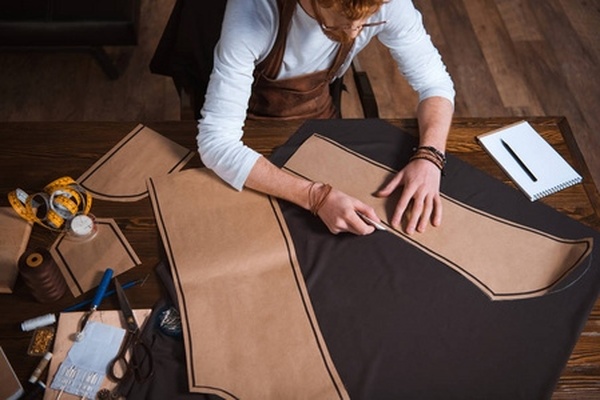
Cut and sew garments are custom-made from raw fabric, meaning that instead of working with pre-existing clothing, the design starts from scratch. This allows the creation of unique, personalized garments that are perfectly tailored to an individual’s specifications.
This process gives designers the ability to incorporate intricate details, different fabrics, and custom sizes that may not be possible with mass-produced clothing. While cut and sew does require more time and effort, the results are often worth it. It’s important to clarify that cutting and sewing isn’t about merely resizing a shirt—it’s a creative design process involving planning, pattern-making, and sewing.
Cut and Sew – Definition, Step-by-Step Guide, and Benefits
How Does Cut and Sew Work? Step-by-Step Guide
The process of creating a cut and sew garment is intricate, but it offers flexibility and freedom that mass production simply can’t match. Here’s how it works:
Step 1: Generate a Sketch of the Design
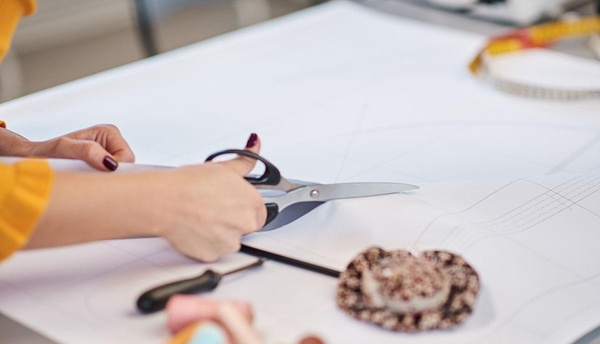
The first step in creating a cut and sew garment, such as custom-made t-shirts, is to generate a sketch of the design. This sketch serves as the foundation for the entire process and will be used to create a spec sheet. The spec sheet contains critical details about the garment, including measurements, fabric types, and design specifics, to ensure that the vision is accurately translated into the final product.
Cut and Sew – Definition, Step-by-Step Guide, and Benefits
Step 2: Create a Paper Pattern
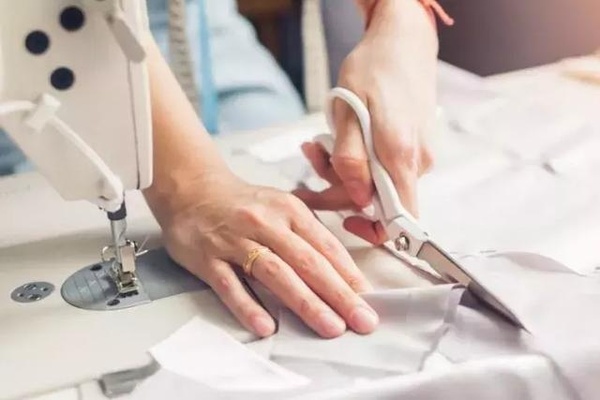
Once the design sketch is finalized, the next step is to create a paper pattern. This pattern acts as a blueprint for the garment, dictating the shape, size, and proportions of each fabric piece. The pattern is used as a guide when cutting the fabric, ensuring that all components of the garment fit together seamlessly.
There are different methods to create a pattern, with the most common being the use of templates. These templates can be bought at fabric stores or created at home using materials like cardboard or poster board. Once the template is created, it is traced onto tracing paper or pattern paper. If you’re using tracing paper, a light box or a sunny window will help you clearly see the template underneath. After tracing, carefully cut out the pattern.
Step 3: Create a Garment Sample
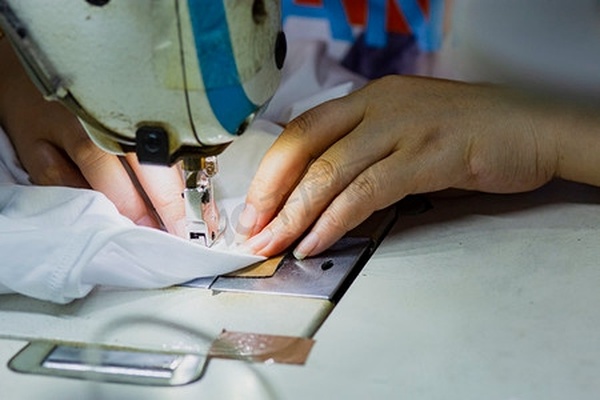
After the pattern is complete, the next step is to create a garment sample. This sample is sewn together using the chosen fabric and fitted on a model. This fitting ensures that the garment looks good and fits well before mass production begins. Any changes needed to improve the fit or design can be made at this stage.
Cut and Sew – Definition, Step-by-Step Guide, and Benefits
Step 4: Adjust the Fit
After the initial fitting, adjustments to the fit may be required. This is where the cut and sew process can become time-consuming, as each change requires making adjustments to the sample and pattern. This iterative process continues until the final design meets the desired look and fit. While some designers may go through hundreds of samples, the goal is to achieve a well-fitted garment with just a few tries (typically around 3-4 samples). The time it takes to sew a shirt typically ranges from 12 to 16 hours, depending on the complexity of the design.
What are the Benefits of Cut and Sew?
The cut and sew apparel manufacturing process has a range of advantages, which is why it remains a popular choice for high-end clothing and textile products. Here’s why more and more designers are turning to cut and sew for their custom garment needs:
No Print Limitations
One of the major advantages of cut and sew is the freedom it offers in terms of design. Since cut and sew garments are made from raw fabric, there are no print limitations. This means you can create unique designs without worrying about compatibility with pre-printed fabric. Whether you want to create complex graphics or intricate patterns, the cut and sew process provides the flexibility to bring your vision to life.
This is especially beneficial for businesses or individuals who want to produce exclusive, one-of-a-kind products. Whether it’s a custom hoodie or a personalized t-shirt, cut and sew allows for greater customization than mass-produced clothing.
Greater Control Over Quality
In comparison to traditional mass production, cut and sew offers greater control over the quality of the final product. This is one reason why many eCommerce brands prefer cut and sew garments for their product lines. The cut and sew process ensures that each garment is meticulously crafted with attention to detail, and quality control is often more stringent.
For instance, when producing private label products, brands can choose the exact placement of labels, ensuring that the product aligns with their standards. Many brands opt for tearaway labels for a clean finish, a feature that is only possible with cut and sew design.
Customization Flexibility
Another advantage of cut and sew is the customization flexibility it provides. For example, cut and sew garments can be made from various fabrics, including cotton, polyester, and blends. This allows designers to experiment with different textures and materials, making each garment unique.
Additionally, the cut and sew process is ideal for creating high-end garments, such as custom jackets, skirts, or dresses. The flexibility to choose fabrics and designs gives brands a distinct edge in the competitive fashion market.
Cut and Sew vs. Sublimation
There are key differences between cut and sew garments and sublimation printing:
Cut and sew garments are made from raw fabric, where the fabric is dyed or printed before being sewn into the final garment. On the other hand, sublimation shirts are created by printing an image onto special paper, which is then transferred onto the fabric.
Sublimation printing often leaves visible seams, while cut and sew garments ensure that the fabric is uniformly colored and the design is consistent across the garment.
Sublimation is usually done on polyester fabrics, while cut and sew can be done on a variety of materials, providing greater fabric compatibility.
In short, cut and sew garments offer more flexibility in terms of fabric selection and design options, making them a great choice for custom clothing.
Cut and Sew – Definition, Step-by-Step Guide, and Benefits
How to Find a Cut and Sew Manufacturer?
If you’re looking to work with a cut and sew manufacturer for custom-made clothing, you’ll need to partner with a company that can bring your designs to life. Cut and sew manufacturers specialize in creating garments from scratch, starting with raw fabric and incorporating your specific designs.
To find a reliable cut and sew manufacturer, start by searching online for terms like “cut and sew manufacturers” or “custom clothing manufacturers.” This will give you a list of potential vendors that can fulfill your manufacturing needs. Alternatively, reach out to industry contacts in fashion for recommendations.
Once you’ve narrowed down your list of potential manufacturers, reach out to them for further details regarding their services, pricing, and capabilities. This will help you choose the best cut and sew manufacturer for your business.
We are a global clothing manufacturer that integrates production and design. Cutting and sewing are part of our daily routine. If you have any clothing customization needs, please contact us.