

Jacket vs Coat: What’s the Real Difference and When to Wear Each?
When temperatures drop, we instinctively reach for outerwear — but are you grabbing a jacket or a coat? While both serve the same purpose of keeping you warm, there’s more than meets the eye when it comes to telling the difference between these two staples. Why is a formal tuxedo top called a jacket, but a heavy, insulated ski parka is considered a coat? Let’s break down the subtle and not-so-subtle differences between jackets and coats.
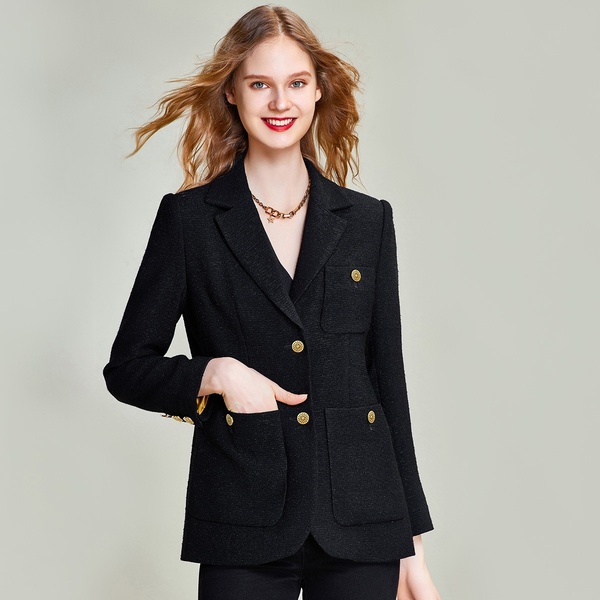
Coat vs Jacket
What Defines a Jacket?
A jacket is a short-length outerwear piece, typically ending at the waist or just below. It covers the upper body, features long sleeves, and almost always opens at the front — closed with buttons or zippers. Jackets are often lightweight and more fitted, making them ideal for layering or wearing indoors as part of an outfit.
There’s a wide range of jackets, from classic denim and leather styles to varsity, bomber, and blazers. Some are designed purely for style, while others provide warmth and light weather protection. Sleeveless versions, like vests or gilets, also fall into the jacket category.
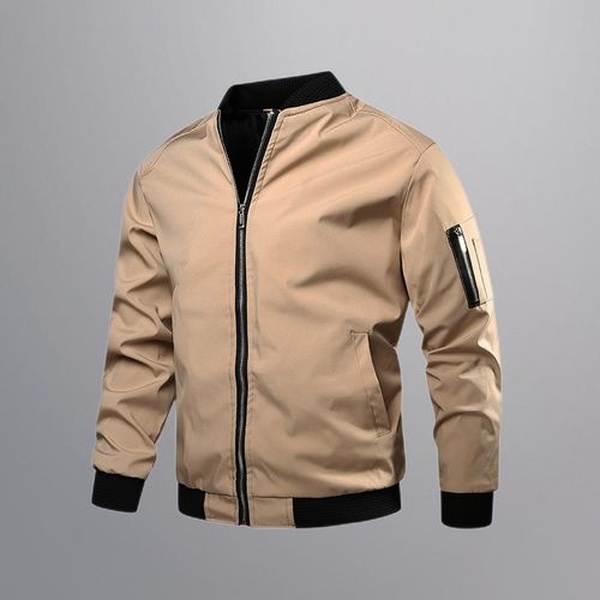
Coat vs Jacket
What Qualifies as a Coat?
A coat, on the other hand, typically extends below the hips and is made from heavier, insulating materials. Coats are designed with cold weather in mind and offer fuller coverage than jackets. Whether it’s a wool overcoat, a trench coat, or a puffer, the goal is warmth and protection.
Coats often include features like buttons, belts, toggles, or zippers, and may have additions like hoods or large collars. They’re suitable for both formal and casual settings and are essential during winter months.
Key Differences Between Coats and Jackets
1. Length
The most obvious difference is length.
Jackets stop at or above the hips.
Coats fall below the hips — some even reach the knees or ankles.
Longer length equals better insulation, which is why coats are more appropriate for freezing conditions, while jackets work well in moderate weather.
2. Material & Fabric
Jackets are usually made from lighter materials like denim, cotton, polyester, or leather.
Coats use heavier, warmer fabrics such as wool, down, fleece-lined polyester, or multiple-layer synthetics.
You’ll often find coats with added insulation or padded linings, whereas jackets may focus more on comfort, flexibility, or fashion.
3. Weight & Warmth
Coats are heavier and built for insulation.
Jackets are lighter, sometimes more breathable, and often used in layering systems.
Think of a coat as your armor against harsh weather, while a jacket is your everyday companion.
4. Functionality & Use
Coats are almost always outerwear.
Jackets can be part of the outfit — think suit jackets or blazers worn indoors.
Jackets can range from purely decorative to sporty, whereas coats are mostly utilitarian in purpose, designed to brave the cold.
5. Fastenings
Jackets often have zippers.
Coats are more likely to feature buttons, toggles, or belts.
Still, some styles (like parkas) blur the line and use both.
Examples of Each Type
Popular Jacket Styles:
Bomber Jacket
Leather Jacket
Denim Jacket
Suit Jacket / Blazer
Varsity Jacket
Harrington Jacket
Popular Coat Styles:
Trench Coat
Wool Overcoat
Peacoat
Puffer Coat
Parka / Anorak
Duffle Coat
Which One Should You Wear?
Warm Weather / Layering Indoors:
→ Go for a jacket. They’re easy to take off and carry, and they complement both casual and smart-casual outfits.
Cold Weather / Harsh Conditions:
→ Choose a coat. You’ll appreciate the extra length and warmth during chilly commutes or snowy adventures.
What About Jackets vs Sweaters?
While we’re on the topic, you might also wonder how jackets differ from sweaters. The biggest distinction lies in construction:
Sweaters are knitted and often pullover-style with no front opening.
Jackets are typically woven, often with a structured fit and front closures.
Sweaters are soft and cozy, perfect for layering under jackets or coats — not a substitute for either when it’s freezing outside.
Final Thoughts: Understanding the Difference Matters
To sum it up:
Coats are longer, heavier, and warmer — perfect for winter.
Jackets are shorter, lighter, and more versatile — ideal for transitional weather or indoor style.
While the lines between the two can blur depending on style and material, understanding these key differences will help you choose the right piece for any season, occasion, or outfit.If you are interested in sweaters and hoodies and want to learn about the differences between them, you can also take a look at Sweater vs Sweatshirt Understanding the Differences
Need premium-quality jackets or coats for your brand? Whether you’re looking for custom leather jackets, wool overcoats, or fashion-forward streetwear, our expert manufacturing solutions are here to help. Contact XINYUAN today for tailored outerwear that keeps your customers warm — and stylish.
We are a professional clothing manufacturer.We specialize in customizing coats and jackets, and global clothing customization is our forte. Please feel free to leave us a message.