

What Is Cut and Sew? A 4-Step Guide to the Cut and Sew Process + 3 Major Benefits
The cut and sew process is transforming how brands and designers create custom garments. Instead of relying on pre-made blanks from wholesalers, this method allows complete control over the garment’s design, fabric, construction, and final finish. Whether you’re a fashion startup or an established brand, understanding how cut and sew works can elevate your product line.
A 4-Step Guide to the Cut and Sew Process + 3 Major Benefits
Step 1: What Is Cut and Sew?
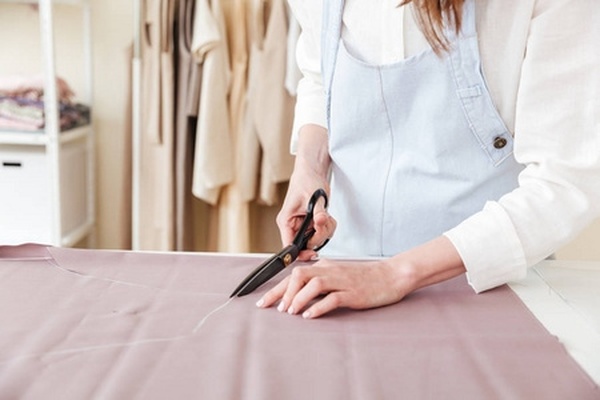
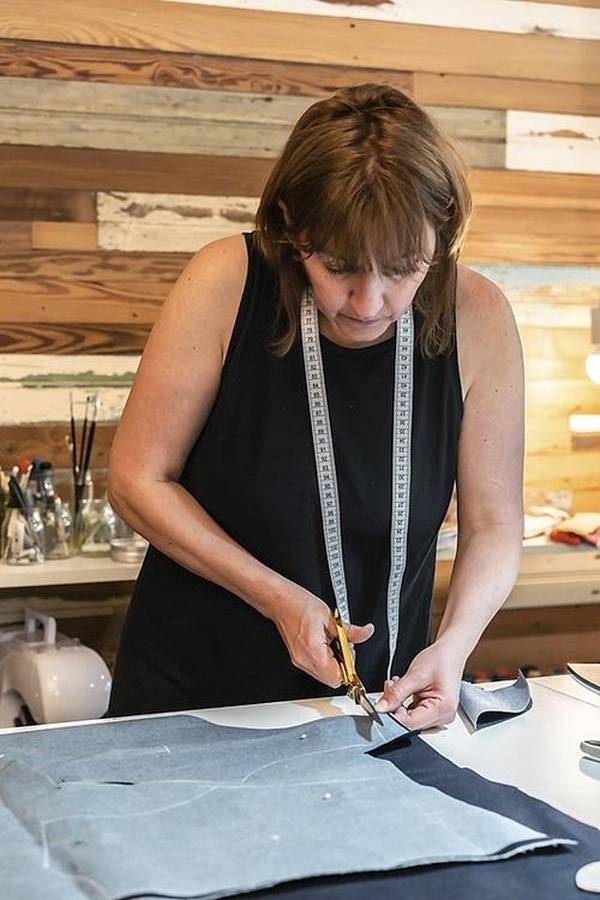
Cut and sew is a production method where garments are made from raw fabric that is printed and then cut and stitched, rather than being printed on after construction. In traditional manufacturing, designers often buy ready-made shirts and print their designs on top. But this limits placement, scale, and quality.
With cut and sew clothing, you start from scratch. You select your fabrics, print your artwork directly onto them, and then tailor the garment according to your design. This process opens the door to custom fits, all-over prints, and exclusive detailing—things that are impossible with wholesale blanks.
Step 2: How Does the Cut and Sew Process Work? (4 Essential Stages)
The cut and sew process requires thoughtful planning and skilled execution. Here are the four key stages:
1. Create a Design Sketch and Spec Sheet
Every project starts with a design sketch. This sketch is used to create a spec sheet, which includes technical information such as garment dimensions, fabric type, artwork placements, and stitching details. The spec sheet acts as a visual and technical blueprint for pattern makers and production teams.
A 4-Step Guide to the Cut and Sew Process + 3 Major Benefits
2. Draft the Paper Pattern
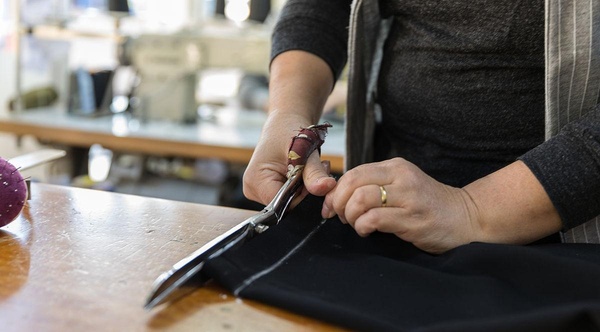
A paper pattern is created from the design specs. It defines the shape, measurements, and cutlines for every fabric piece. This is one of the most critical steps in the cut and sew process—if your pattern is off, the final garment won’t fit properly. Unless you’re experienced in pattern drafting, it’s best to work with a professional.
3. Produce a Sample Garment and Fit It on a Model
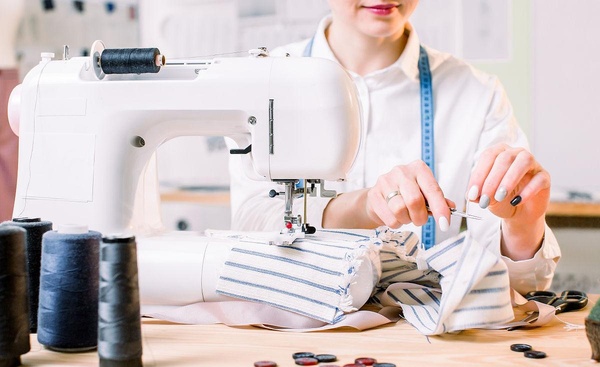
Once the pattern is ready, a sample garment is created using the chosen fabric. This prototype is fitted on a model to check the drape, shape, and construction. You’ll review all trims, seams, and prints to ensure they match your original vision.
A 4-Step Guide to the Cut and Sew Process + 3 Major Benefits
4. Revise and Finalize the Design
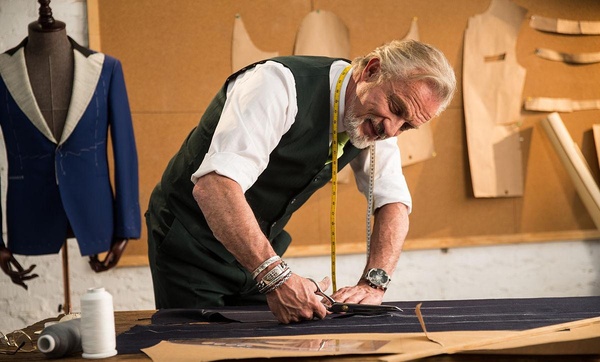
Most garments need multiple rounds of fitting. Every time you adjust the fit, the pattern must be revised, and a new sample made. While some designs may be finalized after one fitting, others may take 2–4 rounds. For instance, the founder of Under Armour reportedly went through over 400 samples for the brand’s first shirt—though most brands won’t need nearly as many!
Step 3: What Are the 3 Major Benefits of Cut and Sew?
1. Unlimited Print Area and Creative Control
Unlike screen printing on wholesale t-shirts, cut and sew printing allows for full-coverage graphics, from seam to seam. There are no print size restrictions like A4 or A3 zones—your design can stretch across the entire garment. Whether it’s sleeves, side panels, or underarms, everything is printable before sewing.
2. Full Control Over Fabric and Construction Quality
With cut and sew manufacturing, you decide on the exact fabric weight, stitch quality, label placement, and even seam type. Want to add a woven neck label or print directly onto the fabric? Prefer a double-needle hem or raw edges? You’re in charge. Unlike wholesale garments, where you’re stuck with factory-made limitations, cut and sew gives you control over every detail.
3. Greater Fabric Variety and Product Customization
When comparing cut and sew vs sublimation, one standout advantage is fabric flexibility. Sublimation only works on 100% polyester, but cut and sew garments can be made from cotton, bamboo, rayon, or custom blends—as long as the fabric suits the chosen print method. This opens the door for unique textures, eco-friendly options, and elevated branding.
A 4-Step Guide to the Cut and Sew Process + 3 Major Benefits
Step 4: Cut and Sew vs Sublimation – Key Differences
At a glance, cut and sew printing and sublimation may seem similar, but they differ significantly:
Print Reach: Sublimation often leaves white gaps in tricky areas like underarms or near seams, because the ink doesn’t reach all areas evenly. Cut and sew solves this by printing each panel before assembly, ensuring total print coverage.
Fabric Compatibility: Sublimation is limited to polyester. Cut and sew allows you to choose any fabric that suits your brand—giving you much more freedom in terms of feel, breathability, and sustainability.
Cost and Quantity: Sublimation can be cheaper for low-quantity runs, especially in print-on-demand models. Cut and sew has higher upfront costs but is ideal for bulk orders and premium product lines.
Bonus: 3 Best Practices for Cut and Sew Brands
1. Communicate Production and Shipping Timelines Clearly
Customers should receive a sample within 7 days and expect bulk production to take 3–4 weeks. Always be transparent about order timelines, especially if you offer print on demand or private label services.
2. Prioritize Excellent Customer Service
Whether you’re working with local brands or international clients, clear communication is critical. Make sure your support team operates in your customers’ time zones and speaks their language. A reliable cut and sew manufacturer isn’t just about quality garments—it’s about a quality experience.
3. Price Your Services Smartly
Since your production is based in a specific location, factor in labor costs, materials, shipping, and customization options when pricing. Choose a location that balances cost-efficiency and ease of communication. Many successful cut and sew operations are based in regions with strong textile infrastructure and experienced workers.
A 4-Step Guide to the Cut and Sew Process + 3 Major Benefits
Conclusion: Why Cut and Sew Is Worth the Effort
The cut and sew method may take more time and effort, but it offers unmatched customization, quality, and brand control. Whether you’re creating limited edition streetwear, launching a sustainable clothing line, or building a premium private label brand, investing in cut and sew apparel manufacturing sets you apart in a crowded market.
If you’re ready to launch your line, now’s the time to partner with a trusted cut and sew manufacturer and turn your ideas into high-quality, wearable products.
As a global custom clothing manufacturer, we have customized many different types of clothing for our customers, including sweatshirts, dresses, shirts, jackets, scarves, socks, and more. Cutting and sewing are very important parts of our craftsmanship, and we do them frequently. If you have any custom clothing needs, please contact us.
Original reference: printify