

What Steps Are Involved in Making Fabric
It’s fascinating how often we overlook the importance of fabric. Every day, we dress ourselves without giving much thought to the process behind the materials that shape our wardrobe. But have you ever considered how many of life’s significant moments are tied to fabric? From your childhood blanket to your wedding dress or favorite pair of jeans, fabric holds emotional significance, whether it’s the look, feel, or even the smell that transports you to cherished memories.
Despite its pivotal role in our daily lives, many people rarely consider the steps involved in creating the fabric they wear. The process of transforming natural and synthetic fibers into fabric is more complex than most realize. This article explores the detailed steps involved in fabric production—from fiber extraction to fabric processing, and how these materials are ultimately transformed into the clothing we are so familiar with.
What Steps Are Involved in Making Fabric
How to Make Fabrics in the Textile Industry
The textile industry has been an essential part of global trade for generations. However, the intricate processes behind fabric production remain unknown to many. Let’s take a closer look at how fabrics go from raw fibers to the clothes we wear.
Get ready to explore the entire process of textile creation—from the growth of fiber to the final stages of garment production. Learn how fabric is sourced, processed, and transformed into something we wear daily.
Steps Involved in Fabric Production
1. Fiber Source
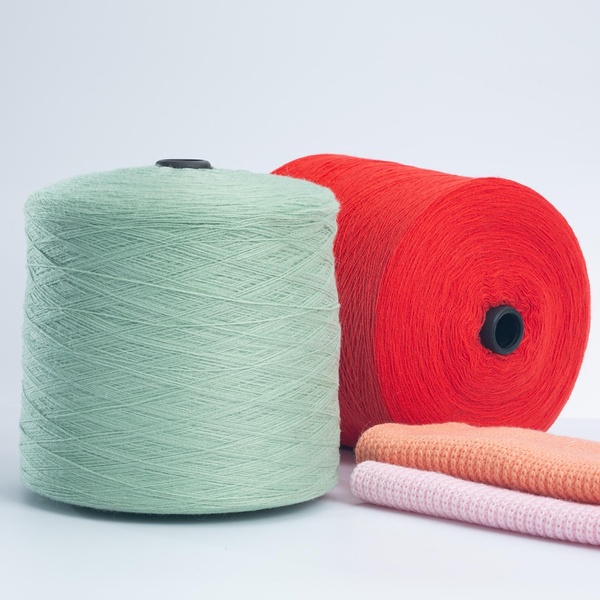
The journey of fabric production begins with sourcing raw materials. Fiber can be derived from plants, animals, or minerals, each of which has unique characteristics and properties. This raw fiber is then spun into yarn, which will later be woven or knitted to make fabric.
What Steps Are Involved in Making Fabric
Natural Fibers:
-
Cotton
-
Linen
-
Wool
-
Silk
Synthetic Fibers:
-
Polyester
-
Nylon
-
Rayon
2. Making of Yarn
The process of transforming raw fiber into yarn involves several steps. Once fibers are gathered, they are washed, sorted, and mixed to prepare them for spinning.
How is Yarn Made?
Yarn is made by spinning fibers such as wool, cotton, or synthetic materials. The fibers are first cleaned and prepared, then they are twisted together into strands of yarn that can be used for knitting, weaving, or crocheting. Yarn can also be referred to as “thread” when used in sewing.
What Steps Are Involved in Making Fabric
3. Weaving and Knitting Fabrics
The next stage in fabric production is weaving or knitting the yarn into fabric.
Weaving:
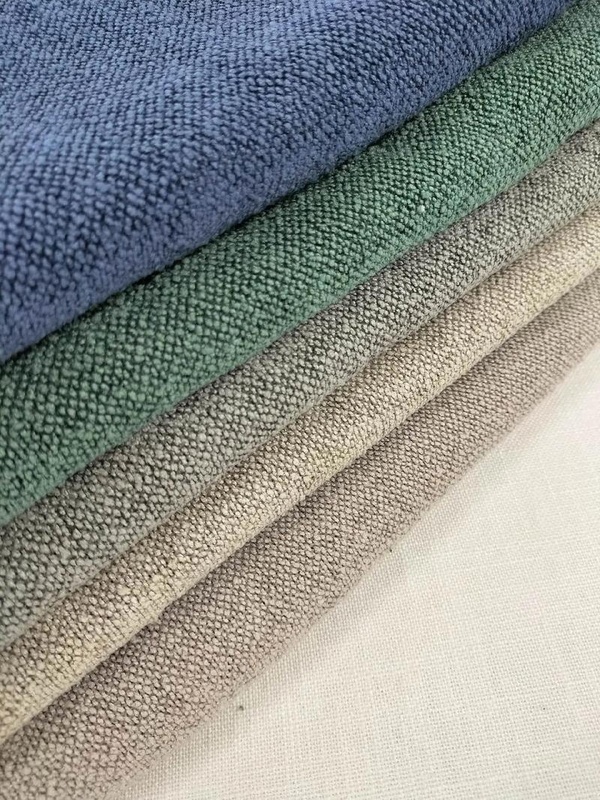
Weaving involves interlacing two sets of yarn (warp and weft) on a loom to create fabric. This can be done with various threads and colors, and the finished product is often used for woven fabrics like cotton, linen, or wool.
Knitting:
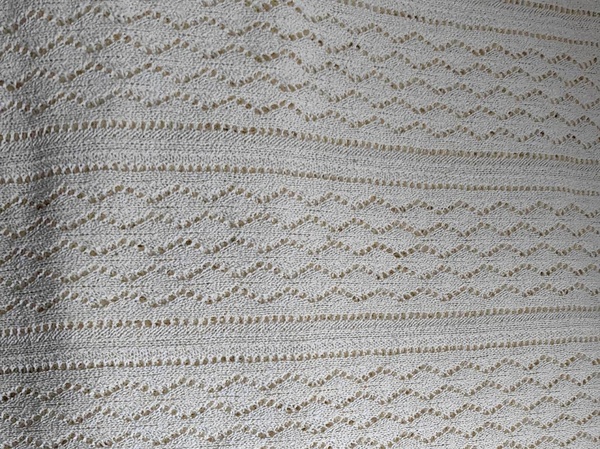
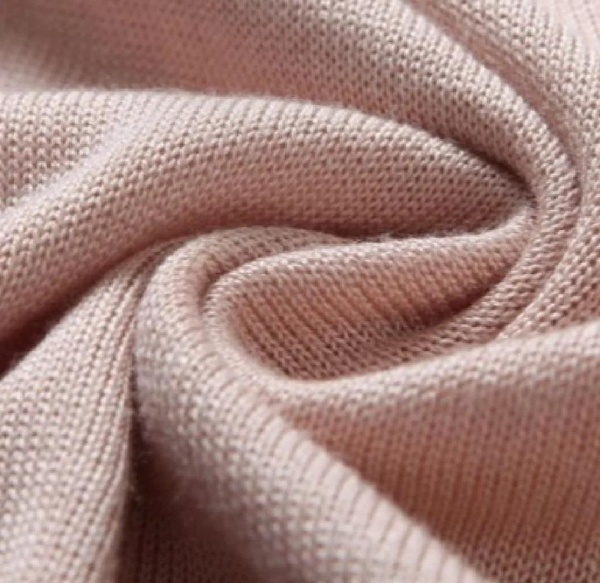
Knitting is a process where yarn is looped into interconnecting rows, creating a fabric that is more flexible and stretchable. Knit fabrics are commonly used for T-shirts, sweaters, and socks.
The fabric produced from these techniques can be further categorized into:
-
Woven Fabric
-
Knit Fabric
-
Nonwoven Fabric
-
Braided Fabric
4. Wet Production (Dyeing and Printing)
The fabric is then prepared for dyeing and finishing through a process called wet production. This involves the following steps:
-
Fabric Inspection: Quality control to check for defects in the fabric.
-
Desizing: Removal of sizing agents used during weaving.
-
Scouring: Cleaning the fabric to remove natural oils and dirt.
-
Bleaching: Lightening the fabric to create a uniform base.
-
Dyeing: Adding color to the fabric using different techniques.
-
Printing: Applying designs or patterns using inkjet or screen printing.
-
Textile Finishing: Final treatments like anti-pilling, stain-resistant, or flame-retardant finishes.
5. Making Clothes
Once the fabric is ready, the final step involves turning it into finished garments.
Design
The clothing process begins with design, often provided by a buyer or a design team. Clothing design can include sketches, technical specifications, and fabric choices.
Pattern Making
A pattern is created from the design to help in cutting the fabric accurately. This pattern serves as the blueprint for each part of the garment and is often made from hard paper.
Sample Making
Once a pattern is created, a sample of the garment is made. This prototype is reviewed and approved by the buyer before proceeding with mass production.
What Steps Are Involved in Making Fabric
6. Production Planning and Grading
Once the sample is approved, production planning begins, and grading is done to ensure the garment fits different sizes. Grading involves adding or removing measurements to create patterns in various sizes.
Marker Making
A marker is a paper template used to guide fabric cutting. It ensures that the fabric is cut efficiently and minimizes wastage.
Spreading the Fabric
Fabric spreading is the process of laying out the fabric before cutting. This ensures the fabric remains flat, preventing stretching or shrinking during cutting.
7. Cutting the Fabric
The fabric is carefully cut using the marker as a guide. Precision in cutting is crucial as errors can impact the sewing stage.
8. Sewing
The cut fabric pieces are then sewn together. The sewing process, whether done by machine or by hand, assembles the fabric into a complete garment.
9. Inspection and Quality Control
Once the garments are sewn, they undergo quality inspection to ensure they meet the desired standards. This includes checking for defects, stitching errors, and proper finishing.
10. Spot Removal, Ironing, and Final Finishing
Any stains or defects are treated, and the garment is ironed to remove wrinkles. Final finishing involves ensuring the garment meets all specifications before it is packed and shipped.
11. Packing and Shipping
The finished garments are packed, often with hangtags, care labels, and accessories as required by the buyer. They are then shipped to retailers or customers.
Conclusion
The process of making fabric is a complex yet fascinating journey that involves various stages, from sourcing raw materials to the final garment. Understanding these processes helps us appreciate the effort that goes into creating the clothes we wear every day. Whether natural or synthetic, fabric production remains an essential part of the textile industry and an integral part of modern life.
As a global custom clothing manufacturer, we have customized a wide range of global apparel for our clients, including hoodies, dresses, shirts, jackets, scarves, socks, and more. As a crucial component of our production process, fabric selection has always been a top priority for us. We have customized a wide range of fabrics, including knitted fabrics, wool fabrics, polyester fabrics, 100% cotton fabrics, and silk fabrics. Whatever your needs may be, we can customize them for you. Please feel free to contact us.