

All You Need to Know About Knit Fabric: A Comprehensive Guide
Designing an outfit is no easy task, and choosing the right fabric plays a crucial role in crafting the perfect garment. Fabric not only defines the fit and appearance of a piece of clothing, but it also carries a certain “life” that transfers into the outfit. Think about how a flowy chiffon dress can romanticize an occasion. But when it comes to choosing fabric, the options often boil down to two main types: woven and knit fabrics.
Both fabric types have their advantages, but knit fabrics have gained a reputation for their flexibility and comfort, making them highly appealing to fashionistas. In this article, we’ll explore the various types of knit fabrics, their features, and why they’ve become a staple in both fashion and activewear.
All You Need to Know About Knit Fabric
What Exactly Is Knit Fabric?
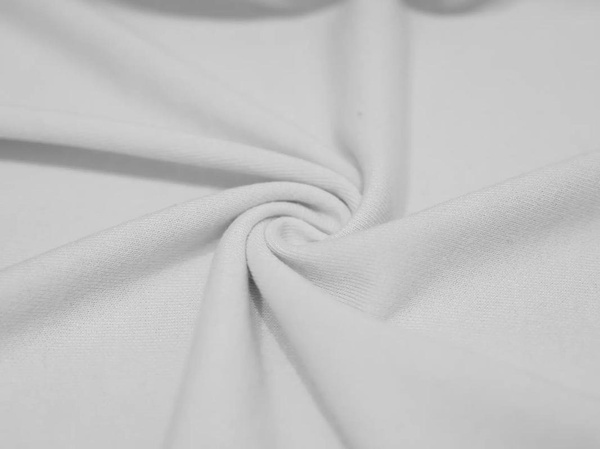
Knit fabric is made by weaving together one or more sets of yarns or fibers to create a chain-like structure. This looped structure gives the fabric flexibility, breathability, and a comfortable fit. Knit materials are known for being lightweight, soft, and wrinkle-resistant, making them ideal for activewear and casual clothing. Due to their ease of manufacture, knit fabrics are often more affordable than woven fabrics, which are more complex to produce.
Features of Knit Fabric
Elasticity:
Knits are made from single continuous threads, allowing them to stretch in all directions, making them perfect for activewear and everyday comfort.
Lightweight:
Knit fabrics are light and breathable, allowing you to wear them across seasons. You can layer them comfortably, even in summer, without feeling weighed down.
Comfortable:
Soft, stretchy, and incredibly comfortable, knit fabrics are perfect for creating relaxed, stylish, and functional garments.
All You Need to Know About Knit Fabric
Types of Knit Fabric
Knit fabrics are divided into two broad categories: Weft Knitting and Warp Knitting.
1. Weft Knitting
In weft knitting, the fabric is constructed by knitting rows of stitches from left to right. This type of knit can be made by machine or hand, and it is the most commonly used type of knitting. Weft knitting is further divided into:
Single Knits
These knits are made using a single yarn and typically form a simple stockinette stitch. They are commonly used for jersey fabrics, which have a smooth front and a slightly textured back.Double Knits
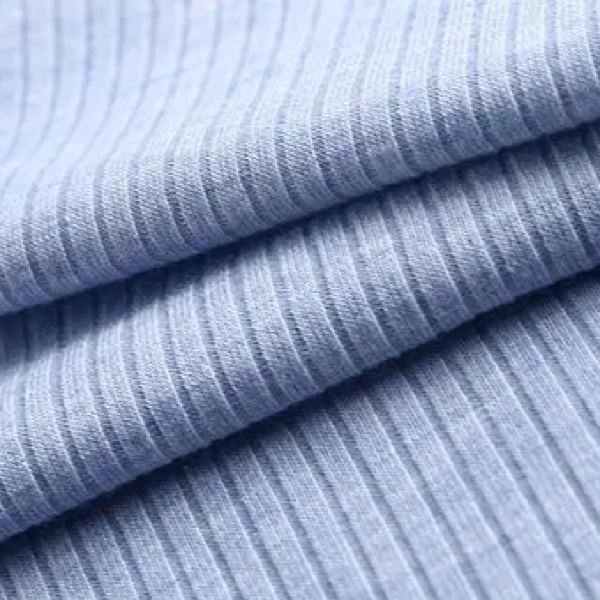
Double-knit fabrics are thicker, denser, and more durable than single knits. They are made using two yarns and two needles, resulting in a fabric that rarely runs. These are often used for more structured garments like sweaters, jackets, and pants. Varieties include rib knits, purl knits, cable knits, and interlock knits.
2. Warp Knitting
Warp knitting involves creating loops vertically along the length of the fabric. This technique is done mainly by machine, allowing for more intricate designs and customized fabrics. Warp knits include:
Raschel Knitting
Made with vertical loops and slanted horizontal floats, Raschel knit fabric is versatile, used in both lightweight lace and heavyweight fabrics.Tricot Fabric
Tricot is made with a distinctive zigzag stitch that creates a smooth front and rough back. It’s known for its durability, comfort, and suitability for sportswear and lingerie.
All You Need to Know About Knit Fabric
Difference Between Knitted and Woven Fabrics
While knit and woven fabrics may appear similar, there are key differences:
Threads:
Knit fabrics feature loops that interlock, while woven fabrics have threads that crisscross in a perpendicular pattern.Stretch:
Knit fabrics are highly elastic and can stretch in multiple directions, whereas woven fabrics are generally more rigid and resist stretching.Wrinkle Test:
If you squeeze a piece of knit fabric, it will return to its original shape quickly with minimal wrinkles. Woven fabrics, however, tend to retain their wrinkles and crumples.
Benefits of Knit Fabric
Easy Manufacturing:
Knitted fabrics are easier to produce than woven fabrics, requiring fewer steps in the manufacturing process. This reduces production time and cost.Affordable:
Due to their simple manufacturing process, knit fabrics are typically less expensive than woven fabrics, making them a cost-effective choice for designers and brands.Dyeable:
Knit fabrics can be dyed in a variety of shades, including ombre effects and multi-tonal designs, making them versatile for creating unique, colorful collections.
Common Uses of Knit Fabric
Knit fabrics are incredibly versatile and are used in a wide range of applications beyond clothing. Here are the most common uses:
Clothing
Knit fabric is ideal for casual wear, including t-shirts, leggings, sweatshirts, and dresses. Its stretchability and comfort make it perfect for daily wear.Home Furnishing
Knitted fabrics are used in blankets, bedding, and towels due to their softness, absorbency, and durability.Baby Items
Soft and gentle knit fabrics are perfect for baby blankets, onesies, and bibs, offering comfort against sensitive skin.Activewear
Because of their flexibility and stretch, knit fabrics are great for activewear such as yoga pants, sports bras, and fitness gear.Accessories
Knit fabric is used to make scarves, hats, socks, and other accessories. Its stretchiness allows it to comfortably fit various shapes and sizes, providing comfort and warmth.All You Need to Know About Knit Fabric
Conclusion
Knit fabrics are a staple in both fashion and functional clothing, offering comfort, flexibility, and affordability. Whether you’re designing for athleisure, casual wear, or accessories, knit fabrics are a versatile and stylish option. Their unique properties—such as elasticity, lightweight feel, and durability—make them perfect for a wide variety of applications.
As a manufacturer with 25 years of experience in clothing customization, we have come into contact with countless types of knitted fabrics. You will definitely find the knitted fabric you like here. Welcome to contact us.
Reference:https://fabriclore.com/blogs/journal/knit-fabrics-and-their-uses