

What Are Knitted Fabrics: In-Depth Guide To Knit Fabrics Types!
At first glance, knitted fabrics may seem simple, but there’s a lot more to them than meets the eye. Knitting is one of the two main fabric types, with the other being woven fabrics. Combining various yarns and fibers can create countless fabric variations. So, what exactly are the different types of knit fabrics? Let’s dive in!
What Are Knit Fabrics?
Knit fabrics are made by weaving yarns together in rows to form a series of interconnected loops. Unlike woven fabrics, where the threads are interlaced over and under one another, knit fabrics are highly elastic and flexible, making them more comfortable and versatile. While hand-knitting is an age-old tradition, the majority of modern knits are produced through high-speed knitting machines, allowing for mass production of fabric.
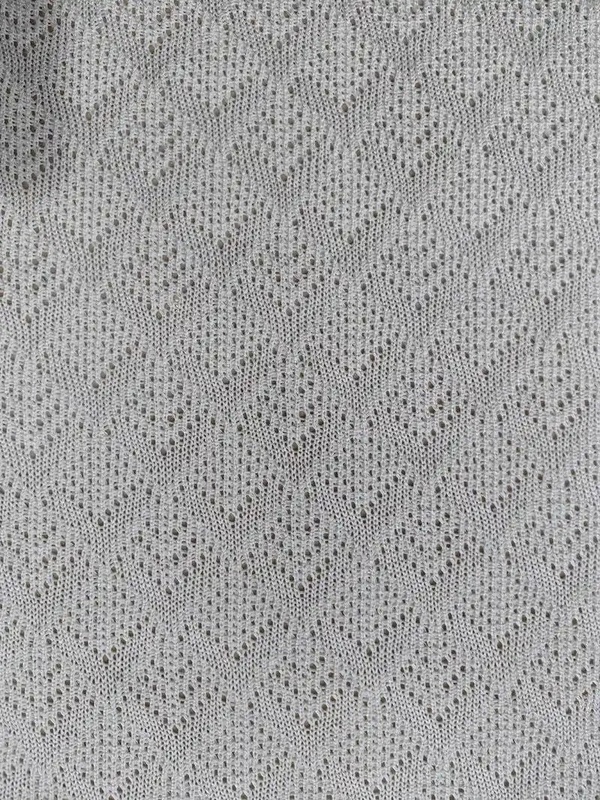
In-Depth Guide To Knit Fabrics Types
What Are Knitted Fabrics Made From?
Knitted fabrics can be made from a wide variety of yarns, but industrial knitting mostly uses single filaments. The yarns, often made from fibers like cotton, wool, acrylic, and polyester, are knitted into fabric by looping them together in a specific pattern.
Knitted fabrics are formed by interlocking loops of yarn, which can be created using flat or cylindrical knitting techniques. The fabric’s structure and density depend on the type of yarn used, as well as the specific knitting technique.
Categories of Knit Fabrics
Knit fabrics are primarily categorized into two groups based on how the loops are created: weft knitting and warp knitting. Both methods have their own subcategories and unique fabric types.
1. Weft Knitting
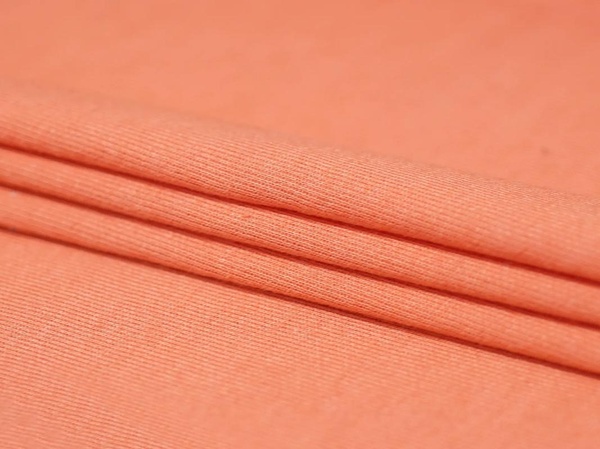
In weft knitting, loops are formed horizontally across the fabric. The rows of loops are interwoven to create a fabric that is cozy, warm, and highly elastic. Jersey and rib knit are common examples of weft-knitted fabrics.
Jersey Knit: The most common knit fabric, jersey is made using a single needle that combines knit and purl stitches. It’s soft, stretchy, and has a distinct right and wrong side, making it ideal for casual wear like t-shirts and dresses.
Rib-Knit: This fabric has raised vertical textured lines and is often used for cuffs, collars, and necklines. Rib-knit fabrics can range from 2×2 ribbing (2 knit, 2 purl stitches) to 1×1 ribbing (1 knit, 1 purl stitch), offering elasticity and structure.
Interlock Knit: Often mistaken for rib-knit, interlock knit is made using two needles and produces a double-faced fabric. It’s thicker and more durable, making it great for pants, skirts, and tank tops.

In-Depth Guide To Knit Fabrics Types
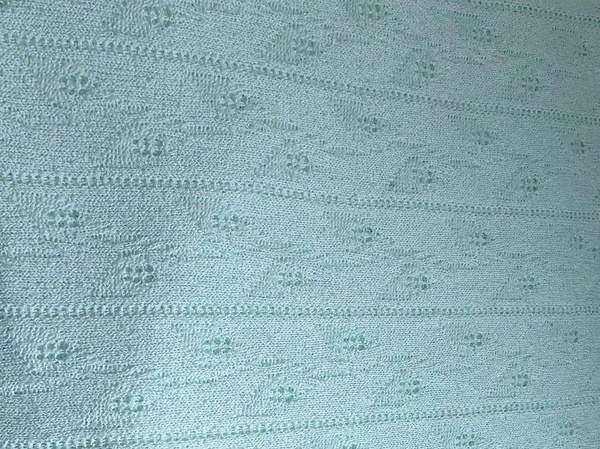
2. Warp Knitting
Warp knitting involves loops formed vertically from each warp yarn along the length of the fabric. Warp-knitted fabrics tend to have a smoother texture and less flexibility compared to weft-knitted fabrics. Common examples include tricot and raschel knits.
Tricot Knit: Known for its smooth surface and durability, tricot knit is commonly used in lingerie and swimwear due to its soft feel and breathability.
Raschel Knits: These fabrics are highly customizable and can range from delicate lace to thick chenille. They are often used for outerwear, hosiery, and fashion garments.
In-Depth Guide To Knit Fabrics Types
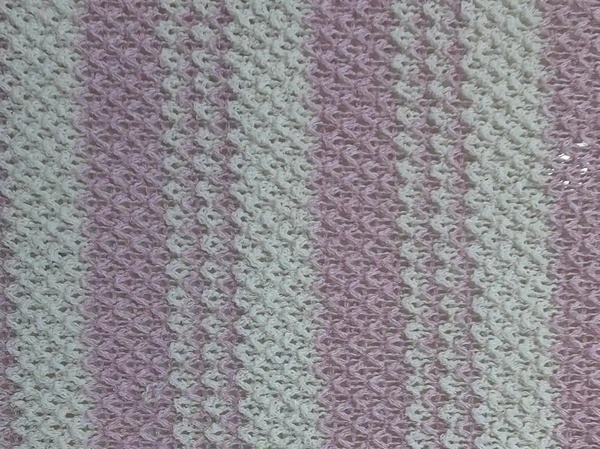
21 Types of Knitted Fabrics
Let’s explore some of the most common and unique knitted fabric types:
French Terry
A knitted fabric with loops and plush yarn on one side and a smooth surface on the other. It’s breathable, comfortable, and commonly used for athleisure wear and sweatshirts.Fleece Knits
Known for their thick, deep pile, fleece knits are warm, stretchable, and often used for outerwear and athletic wear.Yarn-Knit Fabric
Created with double-ended latch needles, yarn-knits have a distinct structure that makes them flexible but prone to unraveling. They’re often used in hosiery and underwear.Raschel Knits
Produced with intricate designs, these knits can range from delicate lace to thick fabrics, often used for fashion garments and home textiles.Milanese Knits
Milanese knit fabrics are lightweight, silky, and drapey, often used in gloves and other fine garments.Purl Knits
Alternating knit and purl stitches create this fabric, which has elasticity in length. It’s commonly used for sweaters, cardigans, and children’s clothing.Cable Knit
Featuring intertwined cables, cable knit fabrics are thick and commonly used for sweaters and winter wear.Handmade Knits
Crafted using knitting needles, handmade knits have a wide range of textures and styles, typically used for sweaters, scarf, and blankets.Silver Knit
High-pile knitting mimics fur and is used for faux fur coats, jackets, and luxurious blankets.Velour Knits
Similar to velvet, but stretchier, velour knits are used in fashion garments and upholstery.Piled Knits
These knits have looped or cut piles that create a fluffy or soft texture, making them perfect for blankets, robes, and home textiles.Mesh Knits
Openwork patterns make mesh knits lightweight and breathable, ideal for activewear and summer garments.Sweater Knits
These knits come in a wide variety of patterns, such as cables and ribs, and are commonly used for sweaters and cardigans.Jacquard Knitting
Known for its intricate, multicolored designs, jacquard knit is durable and great for sweaters, skirts, and leggings.Intarsia Knitting
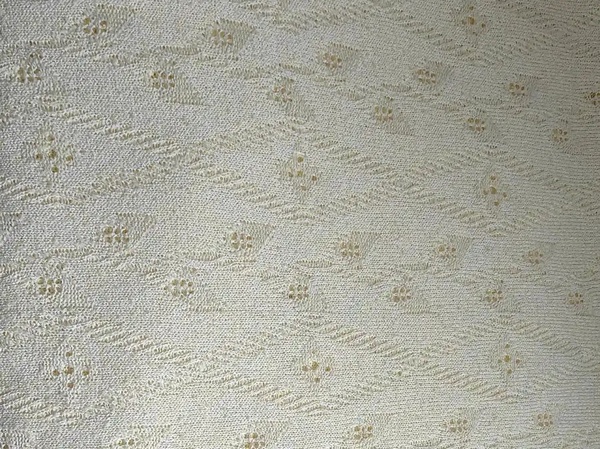
This technique uses multiple colored yarns to create intricate patterns, such as stripes and florals. It’s popular in sweaters and tops.Pointelle Knit
A delicate, thin knit fabric with openwork designs, pointelle is used for tops, dresses, and cardigans.Birdseye Knits
Featuring small repeating diamond patterns, birdseye knits are lightweight and breathable, often used in men’s suits.Ponte Knit
A thick, double-knit fabric that provides structure, ponte knit is commonly used for work dresses and structured tops.Scuba Knit
Similar to ponte, but slightly stretchier, scuba knit is used for bodycon dresses, skirts, and structured garments.ITY Knit
A soft, lightweight knit fabric with great drape, ITY knit is commonly used for casual dresses and blouses.Double Knit
A stable, thick fabric, double-knit is perfect for creating structured dresses and jackets.In-Depth Guide To Knit Fabrics Types
In-Depth Guide To Knit Fabrics Types
In-Depth Guide To Knit Fabrics Types
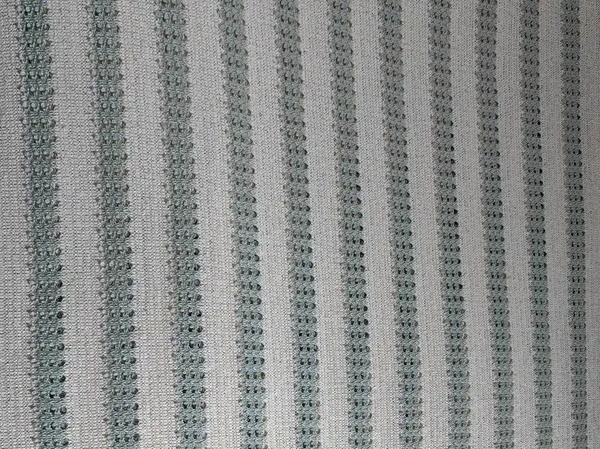
Which Knit Fabric Is Best for Dresses?
ITY Knit: Ideal for summer dresses, this fabric is breathable and has excellent stretch.
Ponte Knit: Great for professional attire, ponte knit offers structure and a smooth finish.
Double Knit: Provides a wrinkle-resistant, structured fabric, perfect for formal dresses.
Jersey Knit: The go-to fabric for comfort and flexibility, making it perfect for casual dresses.
FAQs
What Does Knit in a Fabric Mean?
Knit fabrics are made by looping a single thread, creating a flexible, stretchy material.
What Type of Knit Fabric Is the Softest?
Silk jersey is considered one of the softest and smoothest types of knit fabrics, often used in delicate garments like dresses and blouses.
Final Words
As you can see, knit fabrics have a wide array of applications, from fashion to industrial uses. Whether you’re designing for the latest fashion trends or looking for comfortable athleisure wear, knits offer unparalleled versatility. With a variety of types available, there’s a perfect knit for every purpose!
As a manufacturer with 25 years of experience in custom clothing, we have worked with countless types of knitted fabrics. You are sure to find the knitted fabric you like here. Please feel free to contact us.